
Gravel cranksets and chainsets, 1x or 2x
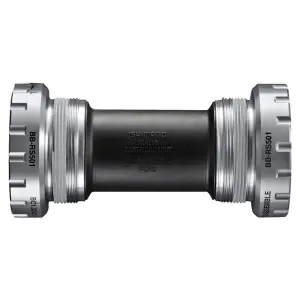

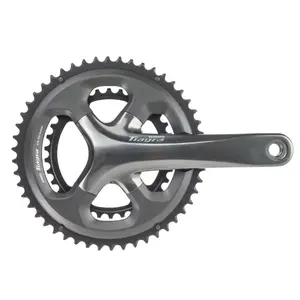
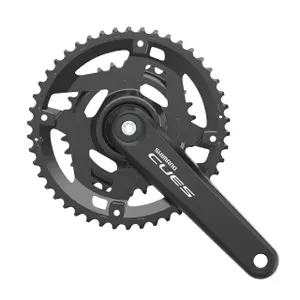
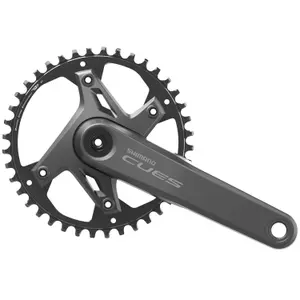
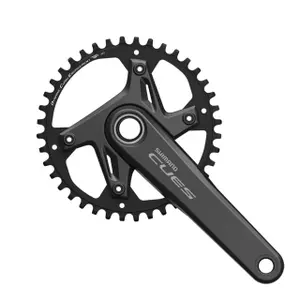
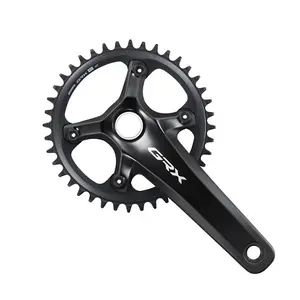
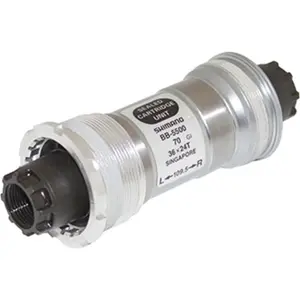
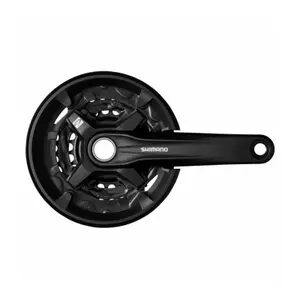
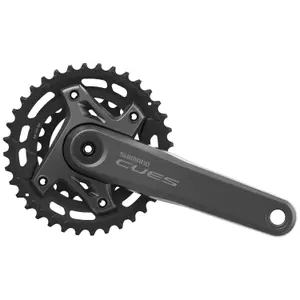
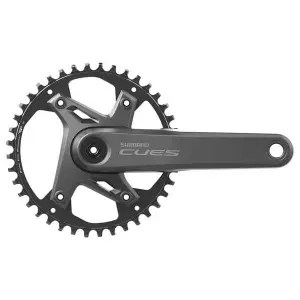
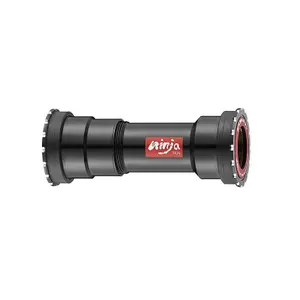
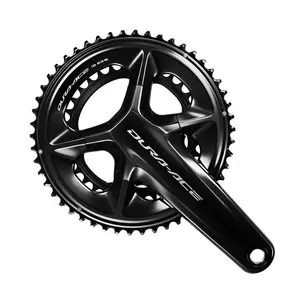
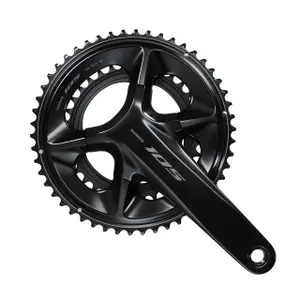
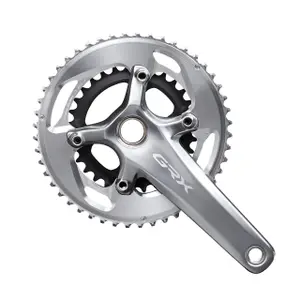
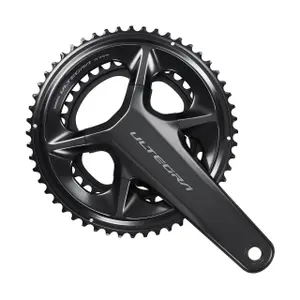
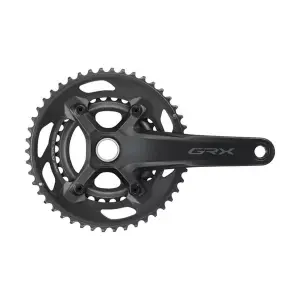
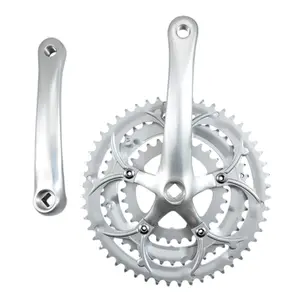
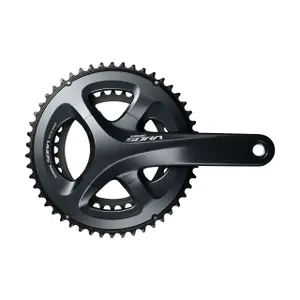
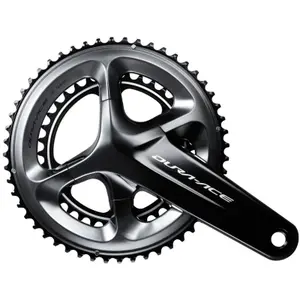
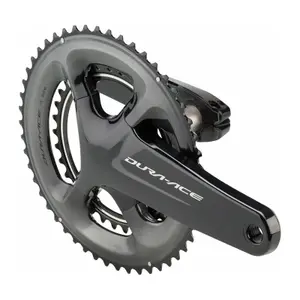
A gravel crankset is chosen first by its chainrings: a single ring, from 38 to 46 teeth, for a simple drivetrain, or two, such as a 46-30 or a 48-31, smaller than on the road, to keep close gear steps right up the steepest climbs. Then check the number of speeds of your drivetrain, the axle that fits your frame's bottom bracket and the crank length. Bottom brackets and parts are also gathered here.
How many teeth for a gravel chainset?
Gravel mixes roads, smooth tracks and steep climbs, often on a loaded bike: the crankset must therefore offer lower gears than on the road. With a single ring (1x), a 38 or 40 tooth ring suits broken terrain and touring, a 42 or 44 all-round gravel riding, a 46 riders who spend a lot of time on tarmac. The teeth of these rings alternate thick and thin to hold the chain over bumps, without a front derailleur. With a double (2x), gravel combinations such as 46-30, 46-33 or 48-31 stay smaller than the 50-34 or 52-36 of road bikes, with a small ring that lets you climb seated on tracks.
Crank length, speeds and front derailleur
The cranks on this page measure from 165 to 175 mm. Their length is chosen according to your leg length and your flexibility: a shorter crank makes a fast cadence easier and keeps the pedals clear of rocks in corners. The crankset must also match the number of speeds of the chain, from 10 to 13 depending on the groupset. With a double, the front derailleur must handle the difference in teeth between the two rings: ideally, pair a crankset and a derailleur from the same gravel groupset.
Axle and bottom bracket: what must match your frame
The crankset turns in a bottom bracket housed in the frame. The axle varies by brand: 24 mm at Shimano, 28.99 mm for Sram's DUB, 30 mm at Praxis or FSA, a two-piece axle system at Campagnolo. The bottom bracket, for its part, depends on the frame: a classic 68 mm threaded shell, a larger-diameter T47 thread, or a smooth shell with pressed-in bearings, such as BB86, BB92 or PF30. A suitable bottom bracket often lets you fit an axle from a different brand: note your frame's standard before ordering, and see the bottom brackets with steel or ceramic bearings on this page.
Power meter and carbon gravel cranksets
Several cranksets on this page have a power meter built into the spider or the cranks: you measure your effort in watts without changing pedals, an asset for pacing long rides and training. Carbon cranks make the bike lighter; aluminium remains more forgiving of knocks against stones, which are frequent on tracks.
Cassette, chain, chainrings: the rest of the gravel drivetrain
The crankset works with the gravel cassette, whose gear range complements that of the chainrings, and the gravel chain, to be replaced at the same time as worn rings. Gravel chainrings can be changed on their own, gravel derailleurs must match the number of rings, and gravel groupsets bring the whole lot together. For another bike, see MTB cranksets or all our bike cranksets.
Which gravel crankset brand should you choose?
Shimano dedicates its GRX groupset to gravel: the FC-RX820-1 single-ring crankset in 40, 42 or 46 teeth, the FC-RX820-2 double in 48-31, as well as the 11-speed and 10-speed RX810 and RX600 versions.
Black Bearing names its bottom brackets after the shell, the width and the axle, such as T47-68/73-DUB or 41-86/92-24, and offers them with SKF, B5 or ceramic bearings.
Praxis places its Alba-GR cranksets, in aluminium, and Zayante GR, in carbon, in its gravel range, on a 30 mm axle, and supplies M30 bottom brackets for many frames.
Campagnolo keeps its 13-speed Ekar groupset for gravel, with carbon single-ring cranksets in 38 or 40 teeth, and the Ekar GT version.
CeramicSpeed, a company from Holstebro in Denmark that specialises in bearings, offers bottom brackets with ceramic bearings for many frame standards.
Sram builds its cranksets around the DUB axle, from the 40 tooth Rival 1X to the Force AXS XPLR with an integrated power meter, and as a 46-33 double for gravel.
Cranksets on sale
A previous-generation crankset often joins the road outlet, which also includes cranksets suited to gravel. New groupsets appear in new arrivals; the seasonal sales and Black Friday are two good times to upgrade your drivetrain.
Frequently asked questions
Which crankset should you choose for a gravel bike?
Start from your terrain and your current drivetrain: a 40 or 42 tooth single ring for versatility and simplicity, a 46-30 or 48-31 double if you ride a lot on the road and want close gear steps. The crankset must then be compatible with the frame's bottom bracket and the number of speeds.
Can you fit a road crankset to a gravel bike?
Yes, if the axle fits the bottom bracket and the number of speeds matches the drivetrain. Its bigger chainrings will, however, make climbs on tracks harder, and the outer ring can come close to a very wide tyre: check the clearance.
Should you change the bottom bracket at the same time as the crankset?
Yes if the new axle does not have the same diameter as the old one, or if the bearings run rough or have play. Otherwise, the existing bottom bracket can be kept: check it during fitting, as it wears faster on a gravel bike exposed to mud.
How do you switch from a double to a single ring?
You need a crankset or a single chainring with alternating teeth, remove the front derailleur and its shifter, then check that the rear derailleur and the cassette cover a wide enough range. Often, the chain also needs to be shortened or replaced.
Is a shorter crank useful for gravel?
It can be for shorter riders or those who pedal at a high cadence, and it reduces the risk of striking a stone with the pedal in ruts. Change length in small steps and adjust your saddle height accordingly.