Waterproof cycling jackets, ponchos and capes


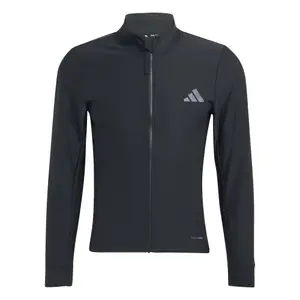

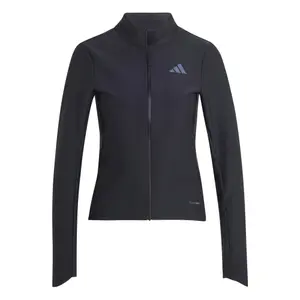
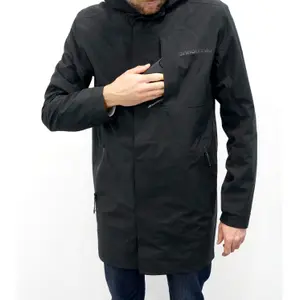


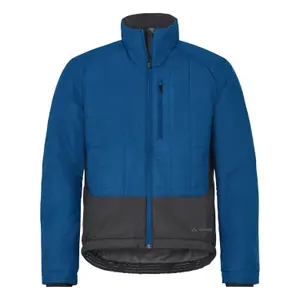
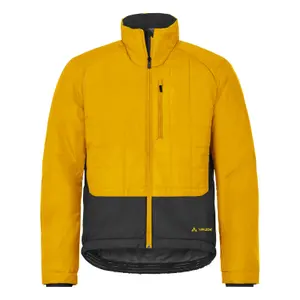
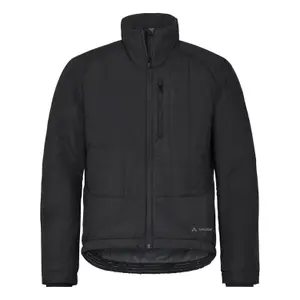


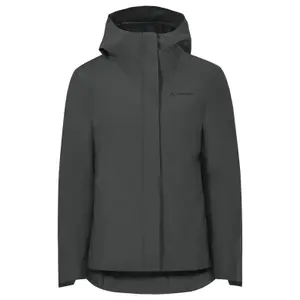
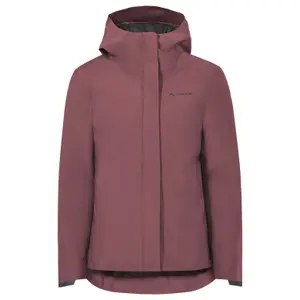


A waterproof cycling jacket keeps you dry on your commute without letting you arrive soaked in sweat: a breathable membrane, a dropped tail and an adjustable hood. The poncho, also called a rain cape, slips on in seconds over your clothes and also shelters your thighs and backpack. Jackets, parkas and ponchos come in men's, women's and kids' cuts.
Rain jacket or poncho: which protection for your journeys?
A rain jacket suits every bike and every pace. Fitted to the body, it does not catch the wind, stays in place when you lean over the handlebar and can be worn all day. It does, however, leave your thighs exposed: on a journey of more than a few minutes in steady rain, it pairs with waterproof trousers.
The poncho, or rain cape, is a wide piece of waterproof fabric that goes over your head and stretches out to the handlebar. In a single move it covers your upper body, arms, thighs and a backpack, and air circulates underneath, which limits sweating. It comes into its own on an upright city bike, at a moderate pace; in strong wind or on a sporty bike, the jacket regains the advantage.
What sets a rain jacket designed for cycling apart
A cyclist's rain jacket relies on a waterproof membrane or coating that lets water vapour escape. Waterproofing is expressed as a hydrostatic head, in millimetres: the higher the figure, the better the fabric resists a driving downpour and the pressure of a bag's straps. The seams must be sealed with a welded tape, otherwise water seeps in through the stitching at the shoulders.
- A dropped tail, longer than the front, to cover your lower back when seated and stop spray from the rear wheel.
- Long sleeves that do not ride up from your wrists with your arms outstretched, with cuffs that adjust over your gloves.
- A two-way zip or a rear vent, which give your hips room in the seated position and let air in on climbs.
- An adjustable hood that turns with your head when you look behind you.
For commuting, waterproof parkas and trench coats bring these details together with the look of a city coat, in a length that covers the top of the thighs.
Ponchos and rain capes: how to use them well
A cycling poncho differs from a hiking poncho in its fastenings. Inner loops slip around your thumbs or the handlebar grips and hold the front of the cape taut above your knees; a waist strap stops it billowing at the back. Check that the front length does not touch the wheel and that the face opening lets you see to the sides. Packed in its pouch, a poncho fits in a basket or a pannier and comes out at the first drop. Some capes also cover a child sitting in the bike seat, with a second hood.
Staying visible in the rain
Rain reduces visibility for all road users, and a dark jacket blends into the wet road. Choose a bright colour for daytime and reflective strips on the sleeves, back and hood for night: they bounce back the light from headlights. Some jackets and capes include a loop to clip on a rear light, useful when a poncho hides the light fitted to the seatpost. After putting on a poncho, always check that your lights remain visible.
Size and cut: try it in a pedalling position
Try the jacket over what you wear to work, a jumper or a light jacket in winter, then stretch your arms out towards an imaginary handlebar: the back should not ride up, nor should the sleeves expose your wrists. Women's cuts follow narrower shoulders and a more defined waist, and several brands offer their ponchos in kids' sizes. A poncho is often sold in one size or two sizes, chosen according to your build and the width of your handlebar.
Completing your rain gear
To keep your legs dry, pair the jacket with waterproof cycling trousers or over trousers. Overshoes, gloves and neck warmers complete the outfit, among the clothing accessories; jackets and down jackets take over in dry, cold weather. An urban helmet with a visor also shields your eyes from the rain. All the urban cyclist's clothing is gathered in urban cycling gear.
Which rain jacket and poncho brands should you choose?
Agu, a Dutch brand that has been keeping cyclists dry for several decades, brings together in its Urban Outdoor collection the City Slicker jacket, with a two-way zip, long side vents and a loop for a light, the long Trench Coat for women and the Go Grant poncho.
VAUDE designs the Cyclist parka for everyday cycling, with a two-way zip and a vent at the bottom of the back that make the seated position easier, and offers the Valdipino and Valero ponchos, fitted with hand loops.
The Peoples Poncho, a British brand founded by a brother and sister, took its inspiration from the capes of Chinese urban cyclists: two inner loops hold the poncho taut above the knees and its reflective edge makes it visible at night. A kids' version is available.
Tucano Urbano, founded near Milan by three scooter riders, first protected motorised two-wheelers from the rain before turning to cyclists: its Garibaldina capes are held taut by elastic loops around the thumbs or the handlebar, and the Opossum version also shelters a child sitting in the bike seat.
Basil, a Dutch company known for its bike bags and baskets, fits its Hoga poncho with hip straps and hand loops, with discreet reflective details in the colour of the fabric, and gives its Mosse line the look of city parkas and trench coats.
Rain jackets on sale
Jackets and ponchos from the previous collection, or in a discontinued colour, move to the urban clothing outlet; newly listed models are presented in new arrivals. Black Friday, in the middle of the rainy season, is a chance to replace a tired jacket.
Frequently asked questions
Which waterproof jacket should you choose for cycling to work?
A breathable jacket with a dropped tail and sealed seams, an adjustable hood and reflective details. For a short journey on a city bike, a poncho packed in your pannier is often enough. If you ride fast or far, the jacket combined with waterproof trousers remains the most effective solution.
Is a cycling poncho a problem in the wind?
A headwind presses the cape against you and slows you down, while a crosswind can lift it and push the bike slightly off line. Hand loops and a waist strap greatly reduce these effects. In strong gusts, a fitted jacket remains safer.
How do you keep your backpack dry in the rain?
A poncho goes over the bag and shelters it completely, a rain jacket does not. With a jacket, protect the bag with a waterproof cover, or carry your belongings in a waterproof pannier fixed to the rack: your back also sweats less without a bag.
Does the hood go under the helmet?
A thin hood slips under a helmet, provided the helmet still fits snugly and the chin strap closes without forcing. Roomier hoods go over the helmet. Either way, check that you can see to the sides when you turn your head.
How do you protect a child carried by bike in the rain?
A child sitting in a bike seat does not move and soon gets cold: a poncho or waterproof jacket in their size, over warm clothes, keeps them dry. Some adult capes include a second hood that also covers a child sitting at the front.