
Bike Grease: Bearings, Fitting and Carbon



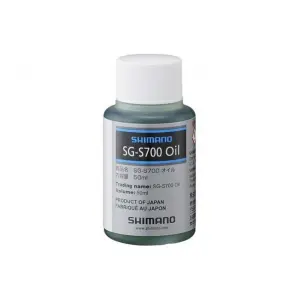

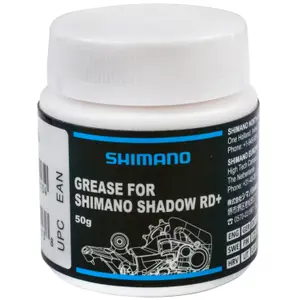
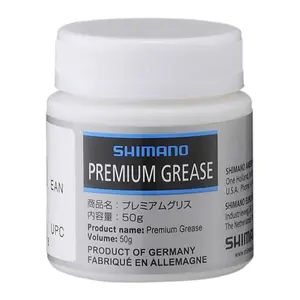
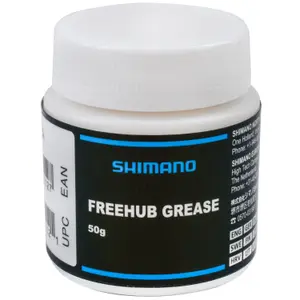
A bike grease protects and lubricates moving parts without wear: wheel bearings, steering bearings, bottom brackets, pedal threads, axles and screws. Carbon parts require a mounting paste, the chain a fluid lubricant, and the fork and hydraulic brakes the oil specified by their manufacturer. Greases, pastes, lubricants and oils are all gathered on this page.
Grease, oil or lubricant: what is each product for?
Grease is a thickened oil that stays in place: it is suitable for parts that rotate slowly under load or fit tightly together, and it forms a barrier against water and dust. Chain lubricant is more fluid, designed to reach between the rollers and the axes of the links. Fork and brake oils, finally, do not lubricate in the usual sense: they transmit pressure or dampen movement in a closed circuit, with each manufacturer prescribing a specific one. Choosing the wrong product can have different consequences depending on the location: using grease that is too thick on a chain attracts dirt, while an unsuitable oil in a brake can damage its seals.
What grease for which part of the bike?
- Ball bearings in hubs, headset, and bottom bracket: a bearing grease, either lithium, synthetic, or infused with ceramic particles, that resists water without hindering rotation.
- Threads and metal assemblies: pedals, threaded body, chainring bolts, seat post axle. A mounting grease prevents seizing and allows for easier disassembly later; an anti-seize paste with copper or titanium protects the most corrosion-prone assemblies.
- Carbon parts: handlebars, stem, seat post and clamp. A carbon mounting paste, not grease, as explained below.
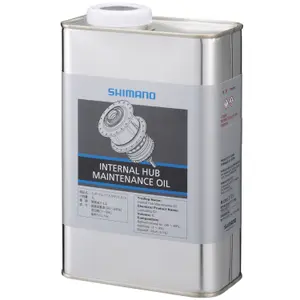
- Freewheel and hubs with integrated gears: their mechanisms use specific grease or oil, often supplied by the hub manufacturer itself.
- Electric bike connectors: a silicone dielectric grease protects the contacts from moisture without conducting electricity.
Before re-greasing, clean off the old grease and dirt: fresh grease mixed with sand turns into an abrasive paste. Sealed cartridge bearings generally do not get re-greased; they are replaced instead.
Mounting grease or carbon paste: do not confuse
Carbon is tightened with a specific torque and does not tolerate excessive tightening well. Regular grease makes surfaces slippery, which encourages over-tightening to prevent a seat post from sinking. Carbon mounting paste does the opposite: it increases grip between surfaces, allowing you to achieve the correct hold at the torque specification set by the part’s manufacturer. Several of these pastes also protect the contact between carbon and aluminium. Apply a thin layer on clean surfaces and tighten using a torque wrench, never by feel.
The chain needs lubrication, it should not be greased
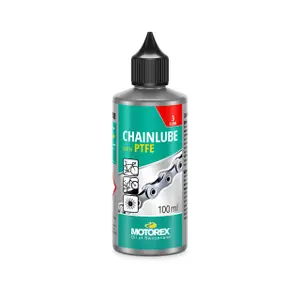
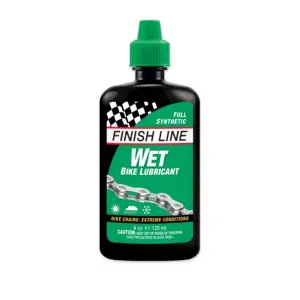
Applying grease to a chain stays on the surface, does not penetrate the links, and traps dirt. Choose a lubricant based on the weather conditions for your rides: a dry or wax-based lubricant for dry and dusty roads, and a wetter, stickier lubricant for rain and mud. Apply a drop per link on a clean chain, turn the crank, then wipe off the excess: it's the interior of the link that needs to be lubricated, not the outside.
Fork and brake oils: follow the recommendations
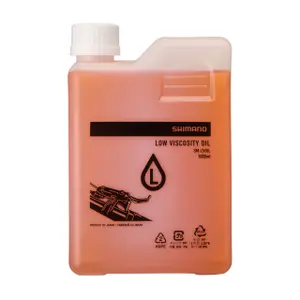
Fork and shock oils differ by their viscosity, noted in W: the value to use, as well as the quantity, is listed in your suspension manual, and using a thicker or more fluid oil changes the behaviour of the hydraulics. For disc brakes, there are two types that should never be mixed: mineral oil, particularly used by Shimano, and DOT fluid, used by other manufacturers. The seals of each brake are designed for one type or the other. The liquid to use is often indicated on the lever or master cylinder.
Other maintenance products in the workshop
Grease is applied to clean parts: cleaners and degreasers are gathered in bike maintenance products. Brake oils, disc cleaners, and bleed kits are found with brake maintenance, and preventive liquids, patches, and anti-puncture strips are part of tyre repair. All these categories are bundled in bike maintenance.
Which bike grease brands to choose?
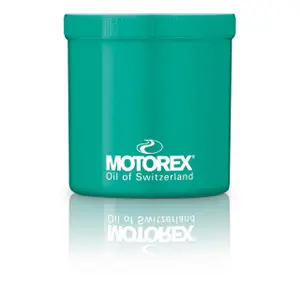
Motorex, a Swiss manufacturer of lubricants based in Langenthal, offers a lithium-based white grease for bearings, a carbon paste for assembling carbon parts, an anti-seize mounting paste, and a range of Racing fork oils in various viscosities.
Star BluBike, a brand from Asiago, Italy, linked to the ski wax manufacturer Star, provides multifunctional greases, including a lithium version LG111, and the Carbon Grip for carbon parts.
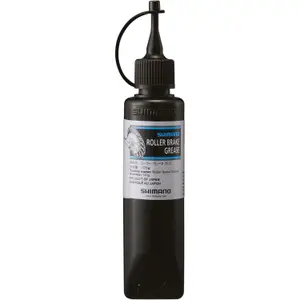
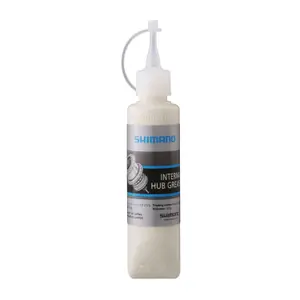
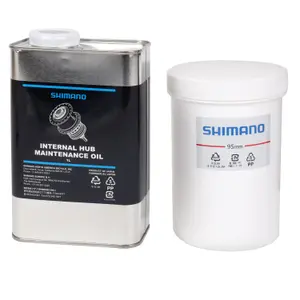
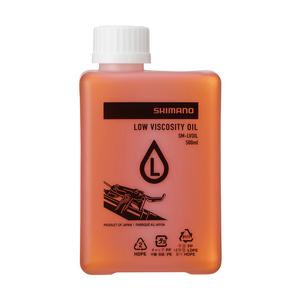
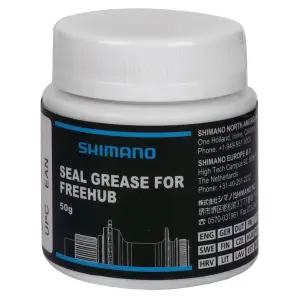
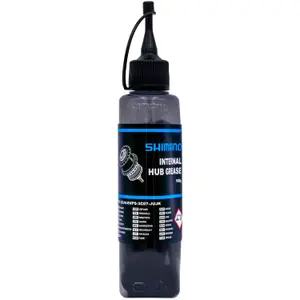
Shimano supplies the greases and oils designed for its own components: high-end grease for bearings, special grease for freewheel bodies, grease and oil for integrated gear hubs, and mineral oil for its disc brakes.
Peaty's, a brand associated with Steve Peat, former world downhill champion, offers an assembly grease for bottom brackets, pedals, and headsets, a Speed grease for bearings, and Max Grip paste for carbon.
Weldtite, a British maintenance product manufacturer, provides greases with Teflon or lithium under the name TF2, available in tubes or tubs, as well as an assembly paste for carbon seat posts and stems.
Finish Line offers a ceramic grease for hub, bottom bracket, and headset bearings, a synthetic Premium grease, and the Fiber Grip gel, which prevents slipping of tightly fitted carbon parts without straining the screws.
Greases and lubricants on promotion
A changed packaging or end of series is enough to put a product into clearance; references entering the catalogue are listed in new arrivals. Take advantage of French Days or summer sales to stock up before the seasonal maintenance.
Frequently asked questions
What grease to use for a bike?
A good bearing grease, either lithium or synthetic, meets most needs: ball hubs, headset, pedal and bottom bracket threads. Add a carbon mounting paste if your bike has carbon parts, and follow the products required by manufacturers for integrated gear hubs, suspensions and hydraulic brakes.
What grease for bike bearings?
A thick, water-resistant grease that does not harden in the cold. For adjustable ball bearings, like those in many hubs, fill the cups without excess after cleaning them. Sealed cartridge bearings are lifetime lubricated: they are replaced when they get rough or develop play.
Can you put grease on a bike chain?
This is not recommended. Grease does not penetrate inside the links, where wear occurs, and it traps dirt that wears out the drivetrain. Use a suitable chain lubricant for your conditions, applied to a clean chain and wiped off afterwards.
What grease for a carbon bike?
On tightened carbon parts, use a carbon mounting paste and not grease: it enhances the hold at the prescribed torque. The bearings and threads of a carbon frame are greased like on any other bike, using the grease specified by the component manufacturer.
Should the bottom bracket be greased?
The threading of a threaded bottom bracket should be greased during installation to prevent seizing and creaking, unless the manufacturer specifies a thread-locking compound. For a press-fit bottom bracket, follow the recommendations of the frame or bottom bracket manufacturer. The bearings themselves are usually sealed and do not get re-greased.