Bike puncture prevention: liquid, foam and tape

Starting at £54.14
£36.84


Starting at £48.21
£43.96


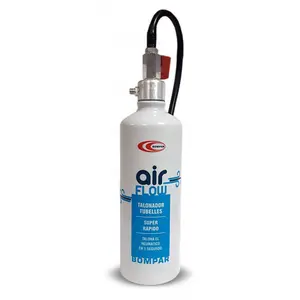


A bike puncture prevention solution depends on your setup: preventative liquid for a tubeless tyre or an inner tube, foam or insert to protect the rim and ride flat until you get back, tape slipped between tyre and inner tube. For repairs on the go, sprays, tubeless plugs and patches complete the set gathered on this page.
Prevent or repair: which puncture prevention solution to choose?
There are two types of products available. Preventive solutions act before a puncture occurs: a liquid that seals small holes on its own, an insert or a strip that protects against thorns and pinch flats. Repair solutions come into play afterwards: a can that reinflates and seals, a plug that closes a tubeless tire cut, or a patch stuck onto an inner tube. The right choice depends on the type of setup, whether it's an inner tube, tubeless, or tubular tire, the terrain, and the weight you are willing to add. Many cyclists combine a preventive solution in the tire with a repair kit in their saddlebag.
Preventive liquid: tubeless or inner tube
A preventive liquid stays liquid inside the tire. When a thorn or a sharp stone punctures the casing, the air pressure pushes it towards the hole, where its particles and latex, or a polymer depending on the formula, clump together and seal the leak. In tubeless setups, it also ensures the sealing of the bead against the rim and the porous sidewalls.
- For tubeless tires: inject the amount indicated by the manufacturer, depending on the width and diameter of the tire, through the valve after removing its core, or directly before completing the bead installation. Then, spin the wheel in all positions to distribute the liquid.
- For inner tubes: some liquids and gels are formulated to pass through a removable valve core and seal punctures in the tube. Check the packaging to ensure they are suitable for this setup.
The liquid gradually dries inside the tire, speeding up in warm conditions. Check its presence by shaking the wheel near your ear or by removing the valve, and top up when the sloshing sound goes away. Large holes and side cuts exceed its capabilities.
Foams and inserts: protect the rim and ride flat
An insert made of foam fits inside the tire, against the rim. In mountain biking and tubeless gravel, it absorbs shocks that pinch the tire against the rim edge, protects it from stones, and allows riding at low pressure; in the event of air loss, it supports the tire long enough to get home at a reduced speed. Some inserts, like the Tannus Armour, are mounted with an inner tube that they encase. Choose the size based on the wheel diameter and tire width, following the manufacturer’s chart: an insert that is too big makes installation very difficult, while one that is too small offers poor protection. Expect to add a few tens to a few hundred grams more per wheel depending on the models.
Puncture-proof bands: protection for inner tubes
A puncture-proof band fits between the tire and the inner tube, on the tread, and stops some of the elements that penetrate the rubber. It is suitable for city bikes, touring bikes, and tires that don’t have built-in protective layers. Its width is chosen based on the tire's, in millimeters, and its diameter based on the wheel. During installation, center it properly on the tread and ensure that it doesn’t twist.
Repairing on the go: canisters, plugs, and patches
A puncture repair canister injects a mixture of gas and sealing liquid through the valve: it reinflates and seals a small hole in one go. Check its nozzle, Presta or Schrader, and its compatibility with your setup, whether it's an inner tube, tubeless, or tubular tire. On a tubeless tire, a cut that is too large for the liquid can be repaired with a plug, inserted using a tool and then cut flush with the tire. For inner tubes, self-adhesive patches are quick fixes, while vulcanizing patches with their solvent last longer.
Tires and workshop products
Some punctures can be prevented upfront with reinforced tires: see the road bike tires, gravel tires, mountain bike tires, BMX tires, or the complete range of bike tires. To clean liquid marks off the frame, cleaners are gathered in the maintenance products, and the bike maintenance section includes all workshop categories.
Which puncture prevention brands to choose?
Vittoria, an Italian tire brand, offers its Air-Liner inserts for tubeless tires, from road to mountain biking, a latex-based preventive liquid, puncture-proof bands, and the Pit Stop Road Racing kit for quick fixes during races.
Velox, a French brand known for its rim strips and handlebar tape, offers puncture repair canisters for inner tubes, tubeless, or tubular tires, with Presta or Schrader nozzles, the Fast Sealant preventive liquid, and repair plugs.
Zéfal, a French manufacturer of bike accessories with over a century of history, based in Jargeau in the Loiret, offers the Z-Sealant liquid in bottles or cans with syringes, Z-Liner bands, and a puncture repair spray.
Joe's, an Israeli brand known as Joe’s No Flats, designs its preventive liquids together with its parent company, which specializes in industrial adhesives, and also offers a gel for inner tubes.
Tannus, a South Korean company that develops its own foams, manufactures the Armour insert, which encases the inner tube to protect it from punctures and pinch flats, also available in a tubeless version.
Technomousse, an Italian company that specializes in puncture-proof inserts and rim protection for off-road use, offers the Constrictor for mountain and electric mountain bikes, the Poison Evo, and a Poison Gravel version in 700c.
Puncture prevention on sale
End-of-line products and old packaging join the clearance section, while new liquids or inserts are featured in the new arrivals. Preparing for the mountain biking or gravel season during the French Days or summer sales allows you to stock up on preventive solutions.
Frequently asked questions
How does a puncture repair canister work?
It contains a gas that reinflates the tire and a liquid that spreads inside to seal the hole. Screw it onto the valve, empty it, then ride a few hundred meters to distribute the product. This is a temporary repair: check the pressure afterwards and make a permanent fix at home.
Can preventive liquid be put in an inner tube?
Yes, with a product designed for this use and a valve with a removable core. The liquid then seals small punctures in the tube. It doesn’t replace a patch for a tear or pinch flat, which leaves holes that are too big.
How much preventive liquid should be added to a tubeless tire?
The amount depends on the volume of the tire: a small amount for a narrow road tire, significantly more for a wide mountain bike tire. Follow the manufacturer's chart for the liquid or tire, and add a bit more for a first installation, part of which will be used to seal the bead.
How to repair a flat tubeless tire?
Position the hole at the bottom of the wheel so the liquid can seal it, then reinflate. If the leak persists, insert a plug with its tool, cut off the excess, and reinflate. A side cut or a large gash requires removing the tire, applying an appropriate inner patch, or using an inner tube.
Should preventive liquid be replaced?
Yes, as it dries out and eventually forms deposits inside the tire. Check the level regularly, more often in summer, then top up or replace the liquid. When changing tires, remove any dry residues before adding fresh liquid.