
Wall bike rack, on the floor or ceiling
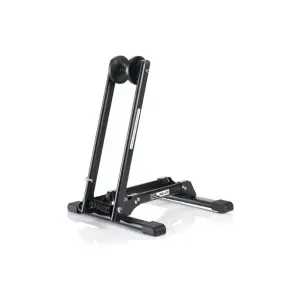

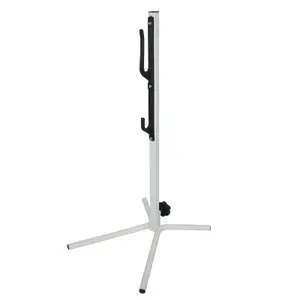
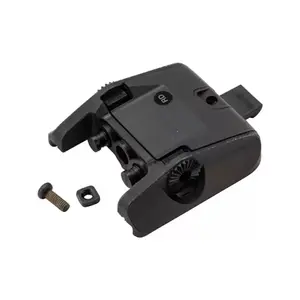
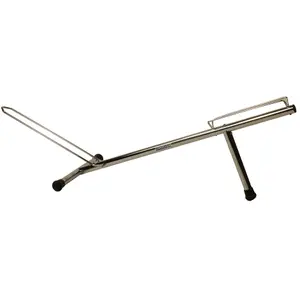
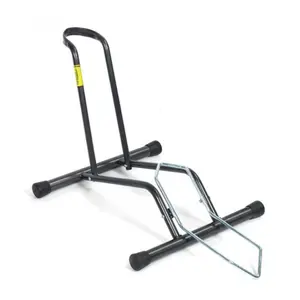
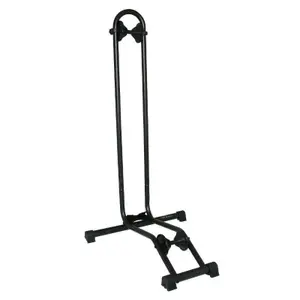
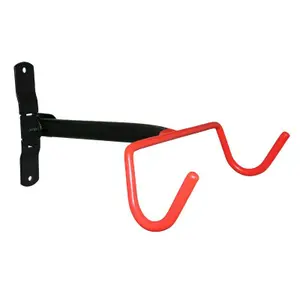
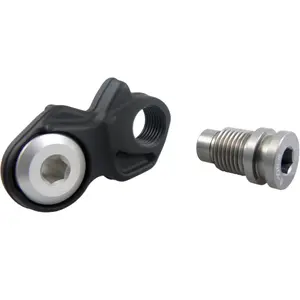
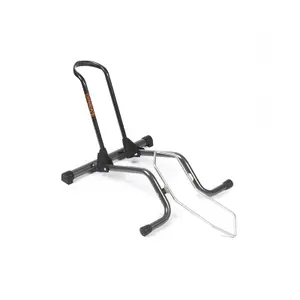
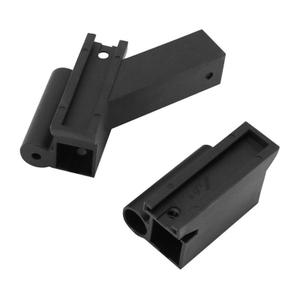
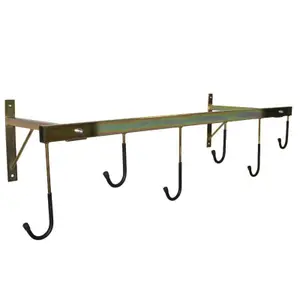
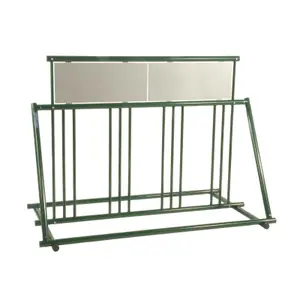
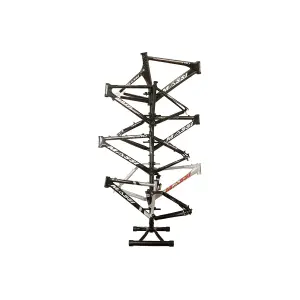
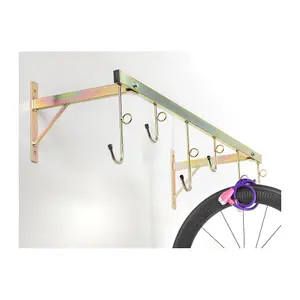
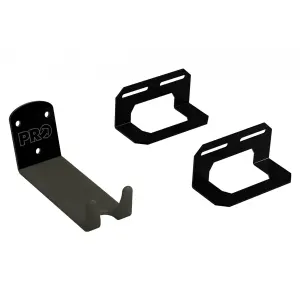
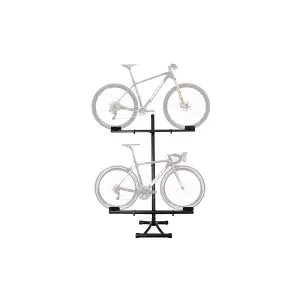
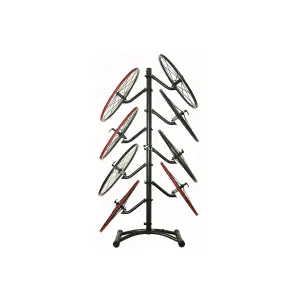
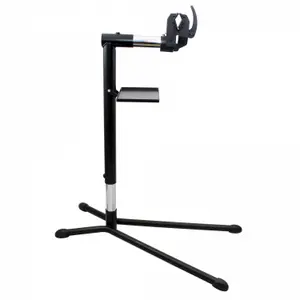
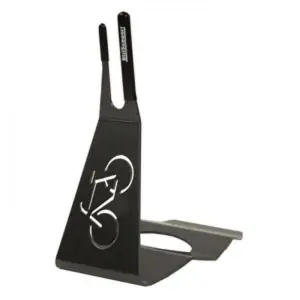
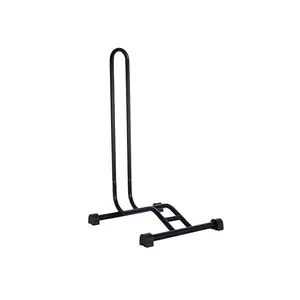
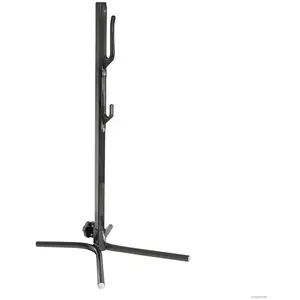

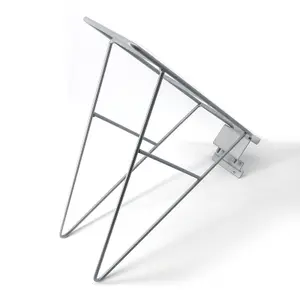
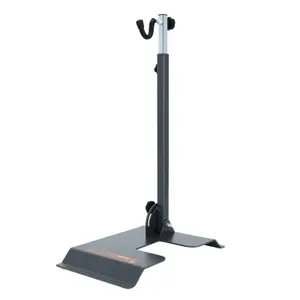
A bike storage system keeps the bike on the floor, on the wall, or on the ceiling to free up space in the garage, cellar, or entrance. A hook that grips the wheel, a swiveling arm that presses the bike against the wall, a rack for multiple bikes, or a workshop stand: choose based on the available space, the weight of the bike, and the width of its tyres.
What is a bike stand for?
A bike leaning against a wall can slide, scratch the paint, and take up more space than necessary. The stand keeps it upright or suspended, out of harm's way, and clears the floor. Depending on the model, it can be used to store a bike in an apartment, align those of the whole family in a garage, display bikes in a shop, or secure a bike for a quick adjustment, with the back wheel off the ground.
On the floor, on the wall, or on the ceiling: types of stands
- Floor stand: it holds the bike by one wheel, by the frame bases, or by the bottom bracket. No drilling required, it can be moved as needed; it’s the simplest solution for a heavy bike.
- Rack: multiple side-by-side spots for storing the bikes of a household or a facility, with staggered heights on some models to prevent handlebars from clashing.
- Horizontal wall mount: two arms support the frame, the bike is stored parallel to the wall; ideal for a road bike or a classic frame mountain bike.
- Vertical wall mount: a hook holds the front wheel and the bike hangs against the wall. Rotating versions allow it to be pushed to the side to save depth.
- Ceiling mount: hooks or hanging displays to completely free up the floor of a high garage.
Weight, tires, and brakes: check compatibility
Each stand indicates a maximum load. A wall hook intended for a road bike may be insufficient for an e-bike: for an electric bike, prefer a floor stand or a wall model rated for its weight, with the battery removed. Also check the acceptable tire width, as mountain bike, electric bike, or fat bike tires may not fit into all hooks and trays. On a rack, check the gap between spots and the space left for the brake disc: some models are designed so that the disc doesn’t touch the frame. Carbon frames should preferably be stored by the wheels rather than by clamping on the tubes.
How to securely mount a bike stand on the wall
A suspended bike exerts significant force on its mounts. Screw the stand into a load-bearing wall made of concrete, brick, or a timber stud, using appropriate plugs for the material; manufacturers advise against using drywall partitions and paneling. For a vertical hook, leave a few centimetres between the lower wheel and the floor, and plan for wall protection where the tire rubs. Finally, measure the available depth: a bike hung horizontally will stick out from the wall by the width of its handlebars.
Workshop stands and related pages
For working on the drivetrain or brakes, with the wheels off the ground and the bike at eye level, a work stand is more suitable than a storage stand. Tools like wrenches, chain tools, and pullers can be found in the bike tools section, and all maintenance information is on the workshop page.
Which bike stand brands to choose?
BiciSupport, an Italian manufacturer of workshop and storage equipment, offers floor stands for the rear wheel, compatible with disc brakes, stands for the bottom bracket, angled models, and garage racks for up to eight bikes.
Mottez, a French manufacturer based near Lille, designs foldable wall stands for two bikes, a ceiling mount that hangs the bike by the handlebars and the saddle, and garage racks.
Peruzzo offers wall displays for six bikes or ceiling mounts for two, floor stands for one bike, and Roda wall mounts.
XLC provides foldable floor stands for one bike, a stand for hollow axle wheels from 26 to 29 inches, and a wall hook that holds the front wheel.
Topeak rotates its wall-mounted Swing-Up stands that hold the wheel and tilt the bike to one side or the other, accommodating tires up to 2.6 inches on the EX version; the Tune-Up Stand X, placed on the floor, secures an electric bike by its bases and stays.
Bike stands on promotion
Stands replaced by a new version go to clearance, while new references are added to the new arrivals page. Spring, when bikes come out of the garage, is the perfect time to reorganise storage space.
Frequently asked questions
How to store a bike in an apartment?
A vertical wall mount with pivoting arms takes up the least space: the bike is stored against the wall, front wheel hooked, and then pivots to only exceed the width of the handlebars. In a studio, a horizontal mount above a piece of furniture completely frees up the floor.
Can you hang a bike by the wheel?
Yes, that’s the principle behind wall and ceiling hooks, designed to support the bike by the rim or tire. Check the load and tire width limits, especially for mountain bikes or electric bikes, and protect the wall where the rear wheel rests.
Which stand to choose for an electric bike?
A floor stand, which doesn’t require lifting the bike, is the most practical. If you prefer a wall mount, choose a model rated for the weight of your e-bike, fixed to a load-bearing wall, and remove the battery before hanging it.
Do you need to drill to install a bike stand?
Not necessarily: floor stands, racks, and wheel supports can be placed without fixation. Wall and ceiling mounts must, however, be screwed into a solid support, using screws suitable for the material.
Can a bike stand be used for maintenance?
A stand that holds the bike by the rear wheel or bottom bracket is sufficient for cleaning the chain or quickly adjusting a gear. For longer tasks, a workshop stand with a clamp provides better working height and allows both wheels to turn.