Mountain bike phone mounts, cases, and brackets


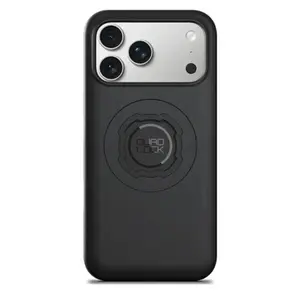


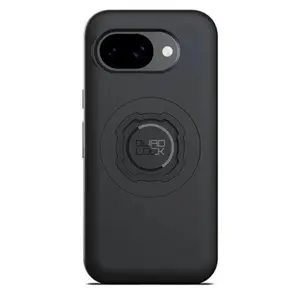
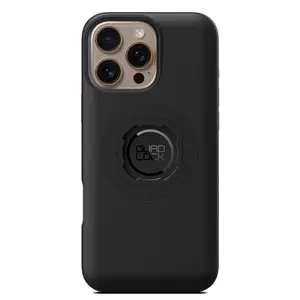

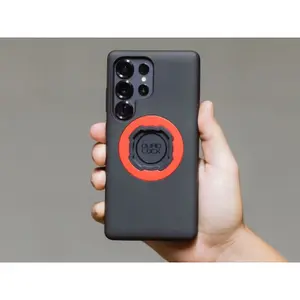
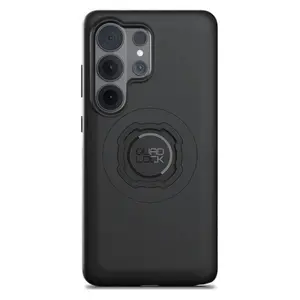
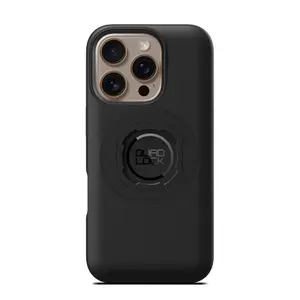


A mountain bike phone mount should keep the smartphone in place on rough descents: opt for a dedicated case that locks onto its base, mounted in place of the headset cap or on a 31.8 or 35 mm handlebar. Then consider the rain and mud splashed by the front wheel. Cases, pouches, and fastening straps are also gathered on this page.
What is a phone used for on the handlebars of a mountain bike?
On a mountain bike, the smartphone is primarily used for navigation: following a trail on a network of paths, finding a fork in the woods, checking the elevation change left before heading back. It also allows you to alert someone in case of a fall or breakage far from a road. Mounted on the handlebars, it can be checked while stopped or with a quick glance while riding; during technical sections, your eyes remain on the trail.
Shocks and vibrations: what locking mechanism for trails?
Roots, steps, and rocky paths shake the handlebar much more than a road. A dedicated shell system that locks mechanically to its base by rotation or a click holds better than a clamp or elastic band: the phone cannot slip out of its housing. Choose a release lever that cannot be accidentally activated, and tighten the base from time to time, as vibrations can loosen it. Universal silicone mounts are useful for leisurely rides and shared bikes but much less for enduro.
Steerer cap, handlebars or stem: where to mount it?
On a mountain bike, the stem is short and the handlebars are wide, often 35 mm. The mount that replaces the steerer cap holds the phone above the stem, set back behind the handlebars; it fits 1 1/8 inch steerers, the most common standard. A mount tightened on the handlebars must accommodate its diameter, 31.8 or 35 mm, and leave space for the gear controls, dropper post, and suspension lock. A screen positioned in front of the handlebars is easier to read, but it is more exposed in the event of a forward fall.
Electric mountain bike: screen, controls, and charging
On an electric mountain bike, the motor display and assistance controls already occupy part of the handlebars. Choose a mount that doesn’t block either: some models are designed for these bikes, while others sit on the steerer cap above the display. Several assistance systems offer a USB port to charge the phone or an app that turns it into a dashboard: check your motor’s manual before buying.
Rain, mud, and dust
The front wheel sprays water and mud onto the handlebars. A rain cover that fits over the shell, or a waterproof case with a touch window, protects the screen and connectors without hindering map visibility. After a muddy ride, rinse the mount with clean water rather than a high-pressure hose, and let the shell dry before putting it back in your pocket.
Fixing straps and nearby equipment
The rubber straps sold here are used to attach a spare inner tube, pump, tool, or external battery to the frame. To track your rides without relying on your phone, check out mountain bike computers and GPS and mounts for bike computers; smartwatches record activity on your wrist, and mountain bike lights extend rides into the night. On a road bike, bike phone mounts fit integrated handlebar setups.
What brands of phone mounts are there for mountain biking?
Quad Lock offers, alongside its steerer cap mount, an adjustable version with a screw hinge that maintains the chosen angle, a dedicated mount for electric bikes, and MAG shells with magnets for many smartphones.
Tigra has designed FitClic Neo, a mount that combines magnetic guidance with a rotation lock, featuring a displaced mount that moves the screen in front of the handlebars and shells for various iPhones and Samsung Galaxy models.
SP Connect sells its shells in kits: the Bike Bundle II includes a shell, rain cover, and universal mount for handlebars or stem, while the Multi Activity Bundle adds a running armband and a car mount.
Bone, a Taiwanese brand, has created the Bike Tie, a universal silicone mount that grips the phone; the Pro 4 version fits screens from 4.7 to 7.2 inches and can be attached to a stem with a diameter of 22 to 45 mm.
Topeak enhances its RideCase shells for iPhone with the Omni RideCase II, a universal case that accommodates phones with up to 6.9-inch screens, and the UTF Pro mount, which positions the screen in front of the handlebars.
Zefal offers the Z Console, a waterproof case with a touch window that keeps the phone safe from rain and mud, as well as an Armband for wearing it on your arm.
Discounted mountain bike phone mounts
The cases for phones that are no longer being made and the mounts replaced by new versions can be found in the clearance of mountain bike electronics; the latest arrivals are grouped in the new arrivals. The summer sales come before the great mountain biking season.
Frequently asked questions
Does a phone mount hold up during mountain bike descents?
Yes, if it rests on a dedicated shell locked mechanically and if the base is tightly secured. Mounts with bands or clamps are better suited for smooth paths. In the most challenging descents, many mountain bikers prefer to stow the phone in a bag or pocket.
Can the phone be used as a GPS on trails?
Yes, provided you download the map and route before leaving: the GPS position displays even without a mobile network, which is common in forests and mountains. Lower the screen brightness and disable anything unnecessary to conserve battery life, and keep enough charge to make calls.
How can you protect your phone in case of a fall?
A rigid support case protects the corners and back, and a protective glass shields the screen. Placing the phone set back, above the stem, exposes it less than an advanced mount. Check after each fall that the base isn’t cracked before hitting the trails again.
What mount should you choose for an electric mountain bike?
A mount that keeps the motor screen visible and makes the assistance control accessible: a model designed for electric bikes, a steerer cap mount, or an off-set mount on the handlebars. If your motor has a USB port, plan for a short cable securely attached so it doesn’t get snagged.
Can you use the same phone on multiple bikes?
Yes: the case stays on the phone, and you just need to install a base on each bike using the same system. Most brands sell their mounts separately; some also offer bases for car dashboards or armbands.