Support for mountain bike and GPS, stem or handlebar

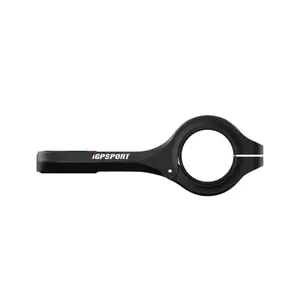
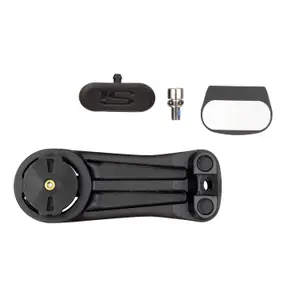
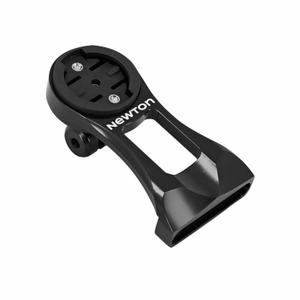


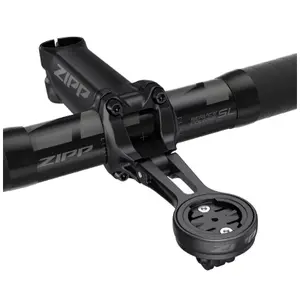

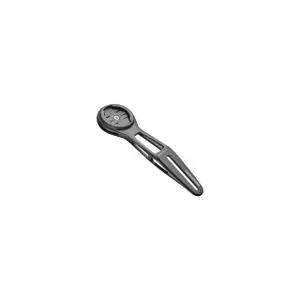


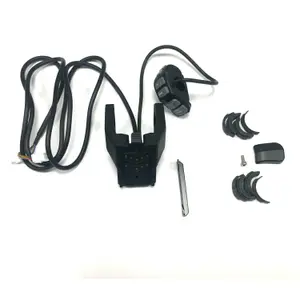
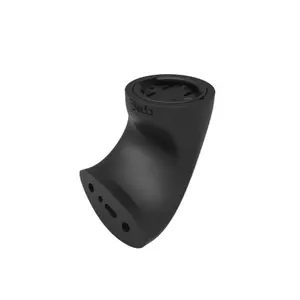
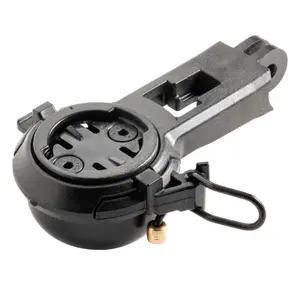
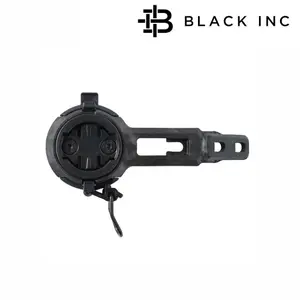
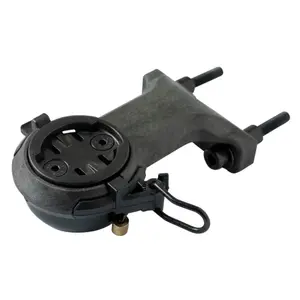
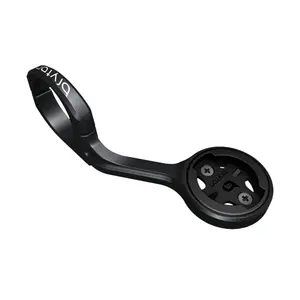


A mountain bike computer mount needs to hold your GPS securely during bumps without cluttering an already busy cockpit. On a short stem, choose a model that positions the screen above the stem, set back from the handlebars. Then check the handlebar diameter, either 31.8 or 35 mm, and the device attachment. MTB electric screen mounts are also featured on this page.
Why a counter mount designed for mountain biking?
The handlebars of a mountain bike are nothing like those of a road bike. The stem often measures between 30 and 50 mm, the handlebar is wide and tight at 35 mm, and it already holds the brake levers, the gear shifter, the dropper post control, and sometimes the suspension lock or the assistance remote. The mount needs to fit in this cramped space, withstand the repeated impacts from roots and stones, and remain readable at a glance without distracting from the path.
Above the stem or in front of the handlebars?
Mounts designed for mountain biking usually place the counter above the stem, tightened to the handlebars on either side or mounted in place of the top cap. The screen stays recessed, protected by the handlebars in case of a fall, and the short lever arm limits vibrations. A forward mount, which moves the counter in front of the handlebars, is easier to read in cross-country and on smooth paths, but it exposes the device more and makes it vibrate more in rough descents. On a very short stem, check that the counter does not touch the top cap or the tightening screws.
Handlebar diameter and device mounting
The collar of the mount must match the diameter of the handlebars at the point where it tightens: 35 mm on most recent mountain bikes, 31.8 mm on many others, sometimes accompanied by a supplied reducing ring. For the device, the quarter-turn mount like Garmin is the most common, but Wahoo and Bryton have their own formats, and some mounts come with interchangeable inserts to switch from one brand to another. A counter that moves in its housing will eventually come loose: replace the mount when its lugs are worn out.
Electric mountain bike display: mount and placement
The display of an electric mountain bike mounts on a support provided by the assistance system manufacturer, matching the diameter of the handlebars. Some are placed on the side, near the grip, to keep the centre free for a GPS counter; others occupy the centre, in front of the stem. If you add a GPS, choose a location that does not cover the display and does not obstruct the handlebar rotation. A display mount does not affect the assistance; tampering with the limit remains prohibited by the Highway Code (article L317-5).
Camera, light and mount maintenance
Several mounts include an interface for a camera or front light beneath the counter, handy for filming a descent or riding at night without adding a collar on the handlebars. Check the allowed weight: a heavy light at the end of an offset arm strains the mount. After a fall, check that the mount is not cracked and tighten its screws to the specified torque, especially on a carbon handlebar.
Counters, phones and mountain biking electronics
To choose the device itself, see the mountain bike counters and GPS, which record rides and navigation trails. If you prefer to navigate with your smartphone, the mounts for phones for mountain biking combine cases and locked fixings. The smartwatches track activity on the wrist, the mountain bike lighting sometimes mounts beneath the counter, and the road counter mounts fit integrated handlebars and aero mounts.
What brands of mountain bike counter mounts are available?
Mahle offers for the Pulsar One, the display for its X20 and X35 assistance systems, a sport mount that places the screen in the centre, in front of the stem, on a 31.8 mm handlebar, and a second mount for high mounting.
Pro, a brand of peripherals from the Shimano group, offers a counter mount for mountain biking and a stem mount, alongside its offset Vibe mounts designed for road use.
Shimano supplies mounts for its electric bike displays, including that of the SC-EN600, a small colour screen for the EP6 and EP8 motors that mounts on the right side of the handlebars or integrates with the stem, and the SC-EN610 with a large screen.
Garmin, whose quarter-turn mount is used by many accessory manufacturers, sells its front mount, which moves the counter in front of the handlebars, and a handlebar mount for its Edge GPS devices.
Bryton, a Taiwanese manufacturer of GPS counters, uses a quarter-turn with wider lugs than Garmin: its offset mounts, additional mounts, and dual mount, which holds a light or camera beneath the counter, are designed for its devices.
Mountain bike counter mounts on sale
Mounts for older counters and discontinued colours are in the clearance of mountain biking electronics, while the mounts for recent devices are arriving in the new products. The Black Friday is often a good time to equip a second bike with a mount.
Frequently asked questions
What counter mount for a very short stem?
A mount that tightens on the handlebars on either side of the stem or that replaces the top cap. It places the counter above the stem without extending over the handlebars. Check the available length and reading angle before ordering.
Is an offset mount suitable for mountain biking?
Yes, in cross-country and on smooth paths, where it improves reading. In steep descents, the forward counter vibrates more and is more exposed in case of a fall: a mount above the stem is therefore safer.
How to attach a counter on a 35 mm handlebars?
Choose a mount specified for 35 mm, or a model supplied with rings for 31.8 and 35 mm. Tighten the collar where the handlebars have the indicated diameter, usually in the centre, and respect the tightening torque, especially on a carbon handlebar.
Can the counter detach in a descent?
This is rare if the device is properly clicked in and the mount is in good condition. However, plastic lugs wear down with repeated mounting and dismounting: a counter that moves in its mount should alert you. Replace the mount or insert if needed.
Can a GPS be installed next to the display of an electric mountain bike?
Yes, if the motor display leaves a free space on the handlebars or above the stem. Compact displays placed near the grip keep the centre available for a counter. Some systems also transmit their data to the GPS counter, which avoids having multiple screens.