BMX protection for race, freestyle and kids


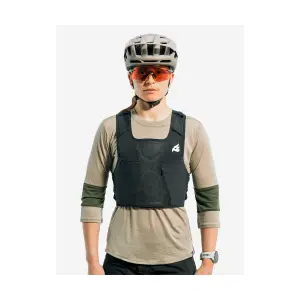



BMX protection is chosen according to the way you ride. In racing, where crashes mostly happen at the start and in the first corner, long knee pads, elbow pads and a protective vest are added to the full face helmet. In freestyle, knee pads with shin guards take the slides and pedal strikes. Kids' sizes equip young riders from their very first laps of the track.
What protection do you need for BMX?
BMX mainly exposes the knees, shins, elbows and upper body. In racing, riders set off up to eight at a time from a start gate, make contact in the berms and often crash at full speed on hard-packed dirt: a knee pad covering the shin, elbow pads and a vest limit cuts and bruises. In freestyle, park, street or dirt, crashes are more frequent but slower; a foot slipping off the pedal drives the pins into the shin, hence the value of shin guards even for a simple session. Young riders find the same protection in junior sizes.
Knee pads, shin guards and elbow pads: soft or hard shell
Soft models hold foam in a stretchy sleeve that you pull on like a sock. Several brands use viscoelastic foams, such as SAS-TEC or D3O, which stay flexible when worn and stiffen at the moment of impact. Hard-shell models add a rigid plate that slides along the ground without catching, useful on stony tracks and in dirt.
- Short knee pad: it covers the joint and the top of the shin, for pedalling without hindrance.
- Knee pad with shin guard: it goes down to just above the ankle, the choice for race and freestyle.
- Elbow pad: it protects the first point of contact when your arms go forward in a crash.
The European standard EN 1621-1, designed for motorcyclists' limb protectors, serves as the reference: level 2 lets less force through than level 1 in the impact test.
Protective vests and back protectors: protecting the upper body
The protective vest, often called a protection jacket in BMX, combines reinforcements for the back, chest, shoulders and sometimes the elbows in a mesh top. It is worn close to the body, under the race jersey, and cushions impacts on the ribs and spine in a crash in a corner. The built-in back protector may be certified to the EN 1621-2 standard, specific to back protectors. Short-sleeved versions, lighter, suit riders who add separate elbow pads; a side zip makes it easier to put on when your skin is damp.
Protection and BMX race rules
In competition, the rules of each category set out the rider's kit, and they have consequences for your protection. In practice, a protective vest or jacket, even one with long sleeves down to the wrists, does not take the place of the jersey: it is worn underneath, with the race jersey on top. Riders who race in loose shorts, where their category allows it, wear protection designed for BMX, motocross or downhill mountain biking that covers the knee joint and the whole shin, down to the ankle; a knee pad that stops at the top of the shin does not do this job. Rules change: check the current version for your category with your club.
Size and fit: protection that stays in place
Poorly fitting protection twists or slides down at the first impact. Measure the circumference of your leg above and below the knee, or of your arm around the elbow, then refer to the brand's guide rather than your age or usual size. Try knee pads on in your riding position, legs bent, and check that they fit under your BMX pants without stretching them. For a vest, the back reinforcement should cover the spine from the neck to the lower back without riding up against the helmet. Children grow quickly: choose adjustable straps or hook-and-loop fastenings rather than a size up.
The rest of the BMX rider's kit
Protection complements a BMX helmet, full face for racing or open face for freestyle. It is worn under BMX race pants in tough fabric and a long-sleeved BMX jersey, with full-finger BMX gloves. For your eyes, goggles slip under the peak of the full face helmet. The rest of the outfit is in BMX gear.
Which BMX protection brands should you choose?
7iDP, whose name is short for Intelligent Design Protection, aims for protection that stays comfortable on long rides: the pull-on Seven Transition knee pad is certified EN 1621-1 level 2 and comes in a kids' size, alongside the Seven Project and the Seven Transition elbow pad.
Kenny, a brand born near Amiens in motocross clothing, also protects cyclists: Bike Reflex vests in adult and kids' sizes, Kontact, Proflex and Reflex knee pads, Hexa elbow pads.
S1, a specialist in helmets and protection for skateboarding and BMX, offers its Defense Pro 2.0 and Defense Elite 2.0 jackets in adult and kids' versions, as well as a Defense Pro kids' knee pad.
Fuse, founded in Cologne within the same group as the BMX brand Wethepeople, is devoted to BMX and mountain bike protection: the Omega knee pads are available with an integrated shin guard, and the Alpha, Neos, Delta and Echo ranges offer elbow and knee pads, including kids' sizes.
Shot Race Gear, a French motocross outfitter that also dresses BMX riders, offers its Rogue 2.0, Airlight and Optimal 2.0 vests, and knee and elbow pads in D3O or Airlight.
BMX protection on sale
Protection from previous collections joins the BMX outlet, along with the discipline's bikes and parts; newly added models are listed in new arrivals. In the off-season, the winter sales and Black Friday are a chance to re-equip a young rider who has grown.
Frequently asked questions
What protection is compulsory in BMX racing?
It depends on the rules of your category and competition. Race kit generally includes a full face helmet, gloves covering the fingers, a long-sleeved jersey and long pants; knee pads with shin guards come into play when shorts are allowed. A protective vest is not usually required, but it is strongly recommended. Check the details with your club.
Do you need a protective vest to start BMX?
For a few laps of the track or a pump track session, knee pads and gloves are often enough. As soon as the child or adult picks up speed, links jumps or trains with other riders, the vest protects the back and chest from impacts against the ground and the handlebar.
How do you equip a young child for BMX?
A well-fitting helmet, full face as soon as they ride on a race track, gloves and knee pads with shin guards form the basics. Choose light junior models that are easy to put on alone, as protection that gets in the way soon ends up at the bottom of the bag. Measure your child at every change of season rather than relying on their age.
Is mountain bike protection suitable for BMX?
Yes, most brands design their knee pads and vests for both disciplines, and protection designed for downhill mountain biking is commonly used in BMX racing. For race and freestyle, however, choose a model that covers the shin, which is more exposed to the pedals than in mountain biking.
Glasses or goggles: how do you protect your eyes in BMX?
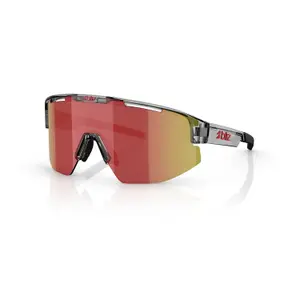
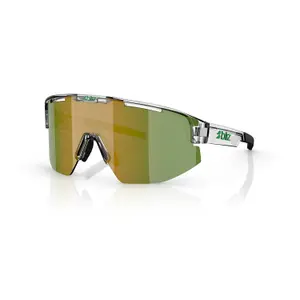
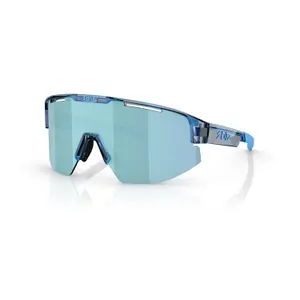
With a full face helmet, goggles remain the safest solution: they seal against the face and stop the dirt thrown up by the wheels at the start. Sports glasses work with an open face helmet, in freestyle or on a pump track, where there is less spray.