
Tubular bike tire for tubular rim, all uses
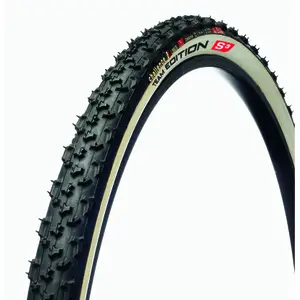
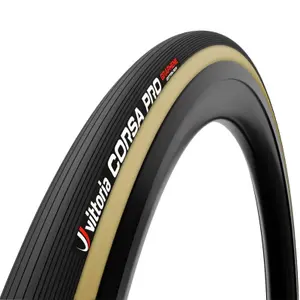
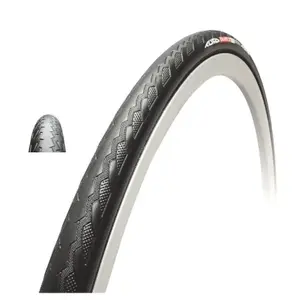
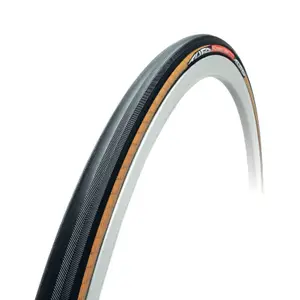
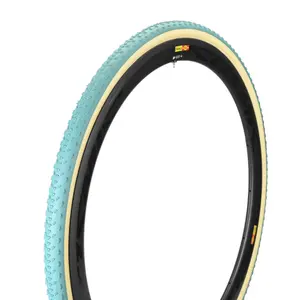
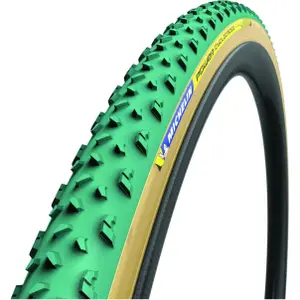
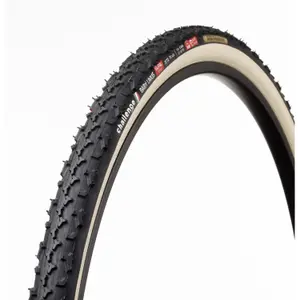
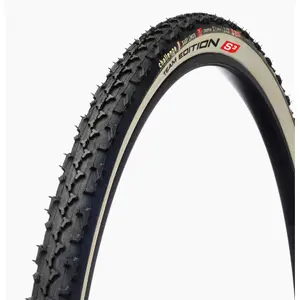
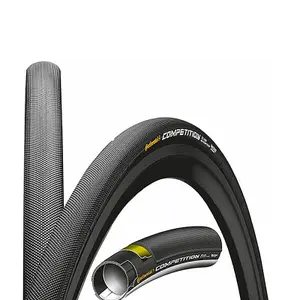
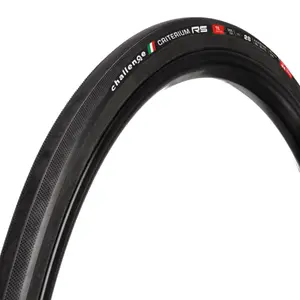
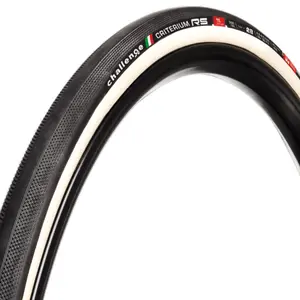
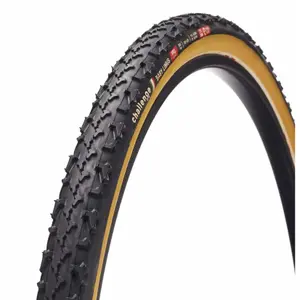
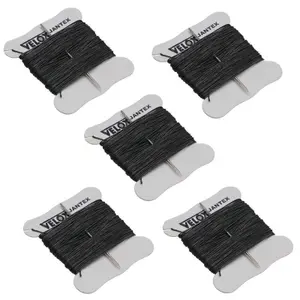


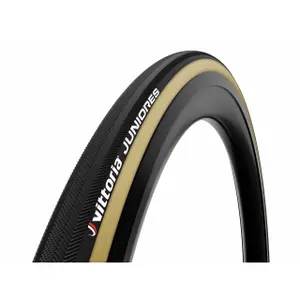
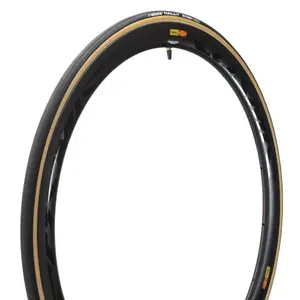
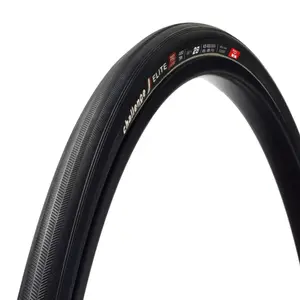
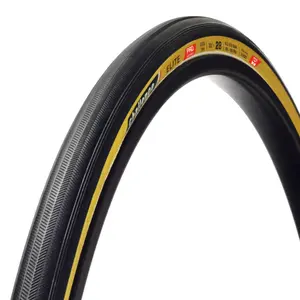
A tubular tire encases the inner tube within its casing: the tire and inner tube are one, and the whole assembly is fitted only onto a tubular rim, glued or secured with tape. Choose it based on the use, whether road, track, or cyclo-cross, and then based on its casing and inner tube, either latex or butyl. Tubulars for all disciplines and repair thread are gathered here.
Who is the tubular aimed at today?
For a long time the standard in racing, tubulars remain the choice of cyclists looking for flexibility and reliable performance in case of a puncture: road racers, track riders, cyclo-cross racers who ride at very low pressure without pinching. They also fit older bikes that still have tubular rims. One condition applies: a hollow profile rim, without hooks, designed for it.
Casing, TPI and inner tube: what makes the difference
The casing gives the tubular its flexibility. Woven from polyester or cotton, it is described by its threads per inch, the TPI, an index of its fineness. A fine casing better conforms to road irregularities, while a thicker casing resists cuts better, hence more robust training tubulars, with or without a puncture-resistant belt.
The integrated inner tube matters too. Made of latex, it is flexible and pairs well with a fine casing, but the air escapes faster: inflate before each ride. In butyl, it holds pressure longer. Each specification notes the width of the tubular and the length of its valve, to be chosen based on the rim height.
What are the differences between tubular, tubeless, or clincher tires?
- Tubular: lightweight and flexible, it stays on the rim when deflated and allows for a safe stop; on the downside, gluing takes time and a puncture is repaired poorly at the roadside.
- Tubeless: without an inner tube, with a liquid that seals small holes, it rides at low pressure; it requires a compatible rim and tire.
- Clincher tire: the simplest and most common setup, repairable anywhere with a spare inner tube.
Wheels, tires, and good deals
A tubular mounts on a dedicated rim, found among the bike wheels and rims. For a standard rim, check the bike tires and inner tubes. Gluing, racing, and cyclo-cross are detailed with the road bike tubulars. End-of-line items at the clearance of spare parts, new listings in the new arrivals.
Which tubular brands to choose?
Vittoria incorporates graphene into some tires, indicated by the G2.0 label, like on the Pista Speed, a track tubular with a smooth tread for indoor velodromes.
Challenge names its cyclo-cross tubular with spaced lugs Limus, which means mud in Latin, and reserves the Baby Limus for changing conditions, featuring a Team Edition version with a 320 TPI casing.
Continental hand-makes tubulars like the Sprinter Gatorskin in Germany, with a puncture-resistant belt aimed at training and long rides.
Michelin, the manufacturer from Clermont-Ferrand, reserves its Racing Line cyclo-cross tubulars of 33 mm, Power Jet and Power Mud, the latter designed for mud.
Frequently asked questions
Which bike tubular should I choose?
Start with the use: a fine tubular with a flexible casing for racing, more robust for training, slick and lightweight for the track, and lugged at 33 mm for cyclo-cross. Then check the width allowed by the rim and the valve length.
Can you use tubulars on an old bike?
Yes, if its wheels have good tubeless rims. Remove the old glue, check the spoke holes and the gluing surface, then choose a width close to that of the rim. Gluing is done with the same precautions as on a newer bike.
Does a latex tubular lose air faster?
Yes, air escapes faster from a latex inner tube than from a butyl one. The difference is compensated by inflating before each ride; the flexibility of latex remains appreciated in racing.
Can I put preventative liquid in a tubular?
Yes, through a removable valve core, in small amounts. It seals small perforations but not a cut.
How should I store a spare tubular?
Keep it away from light and heat, without a marked crease. Before mounting, check the rubber and the base tape: a cracked rubber requires replacement.