
BMX tyres for race, freestyle and 20-inch
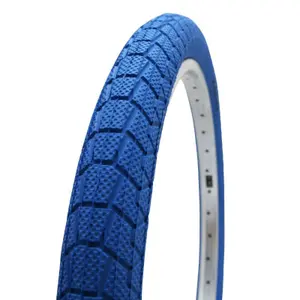
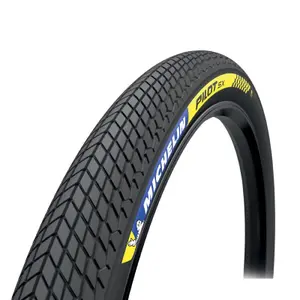
Starting at £50.72
£37.77
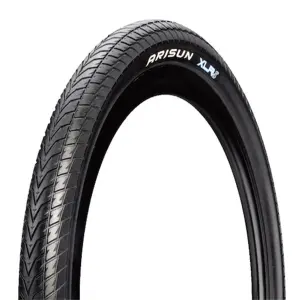
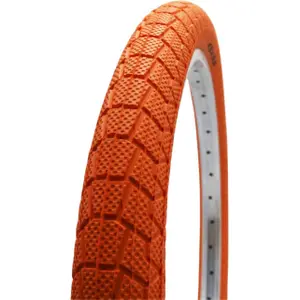
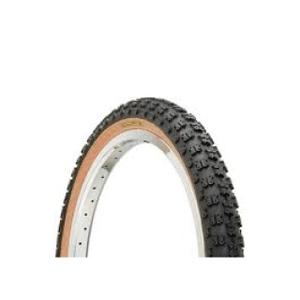
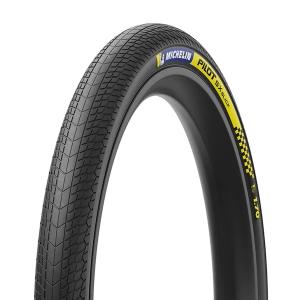
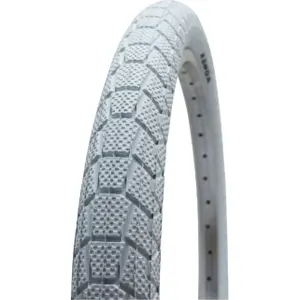
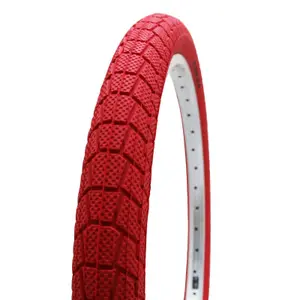
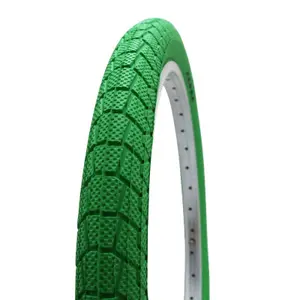
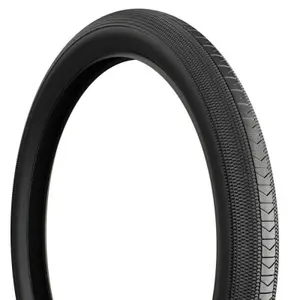
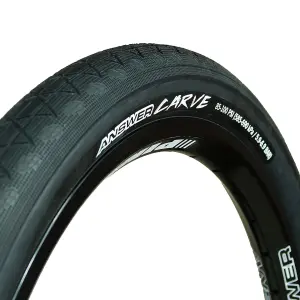
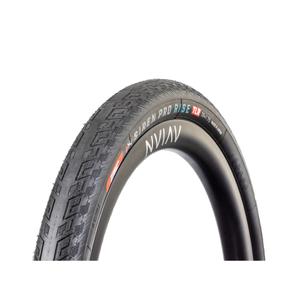
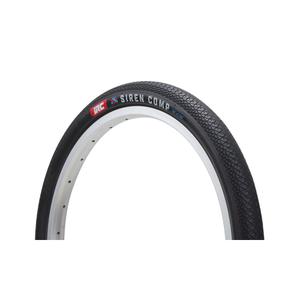
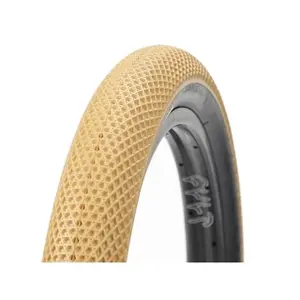
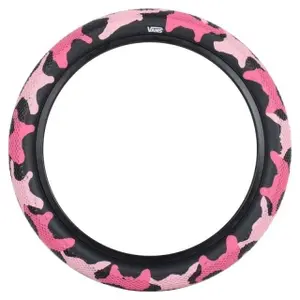
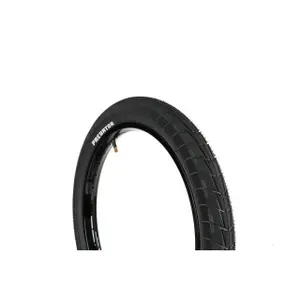
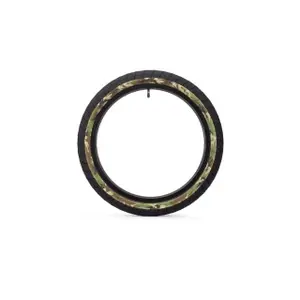
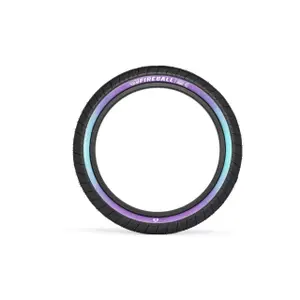
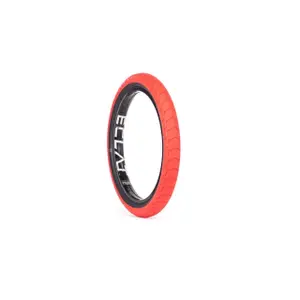
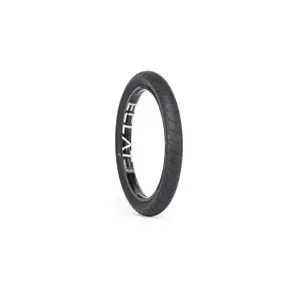
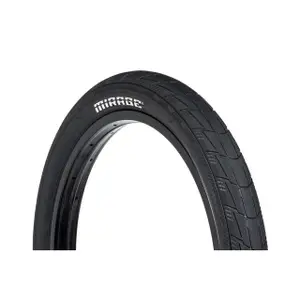
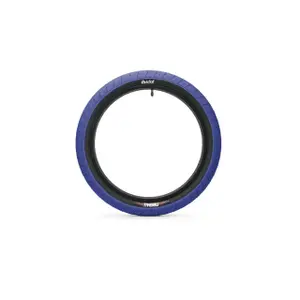
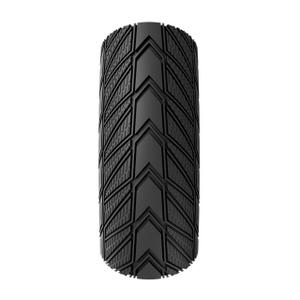
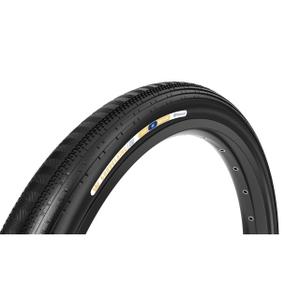
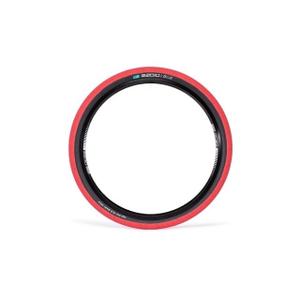
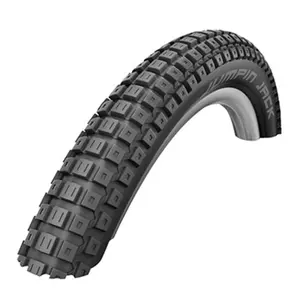
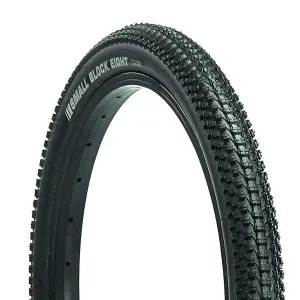
Choose BMX tyres first by rim diameter: 20-inch at 406 in most cases, 451 for fractional sizes such as 20 x 1-3/8, and 24-inch for cruisers. Then come the width and the tread: narrow and fast-rolling for racing, wide and almost smooth for park and street, more knobbly for dirt.
BMX race or freestyle tyres: what are the differences?
On a race track, the tyre has to roll fast on hard-packed dirt and grip in the berms. It is narrow, roughly 1.5 to 2 inches, with a light casing and low, closely spaced knobs. The freestyle tyre, on the other hand, takes landings, stairs and concrete ledges: wider, up to 2.4 inches, it has a thicker casing.
The tread follows the terrain. In park and street, a smooth or finely grooved tread offers the most contact on hard surfaces. On dirt and pump tracks, moderate knobs hold better on loose ground.
What size are BMX tyres and how do you read it?
Two families of 20-inch tyres coexist and cannot replace one another. Decimal sizes, such as 20 x 1.75 or 20 x 2.20, fit a rim with a 406 mm diameter: this is the standard for freestyle and for most race BMX bikes. Fractional sizes, 20 x 1-1/8 or 20 x 1-3/8, need a larger 451 mm rim, used by some race bikes for young riders.
The ETRTO marking removes any doubt: a tyre marked 44-406 is 44 mm wide for a 406 mm rim. 24-inch cruisers use the 507 diameter, and the very smallest BMX bikes have wheels from 12 to 18 inches.
Bead, casing and tubeless: what changes on the track
A rigid steel bead makes a tough, economical tyre; a folding bead, in fibre, lets you fold the tyre and lightens the wheel, a noticeable gain in racing where every rotating gram counts. The number of threads per inch, or TPI, describes the casing: 120 TPI gives a more supple, lighter tyre than 60 or 72 TPI, at the cost of lower cut resistance. Some tyres add a puncture protection belt under the tread.
Tubeless ready race tyres are fitted without an inner tube, on a compatible rim with airtight rim tape, a dedicated valve and sealant. They avoid pinch flats when landing on bumps and allow a slightly lower pressure for grip.
Width and BMX tyre pressure: setting up your bike
Before going wider, check the tyre clearance in the frame and fork, especially at the rear, where the wheel is moved back to tension the chain. Always stay within the pressure range printed on the sidewall: high on a dry track or in the transitions of a skatepark, lower for grip on dirt.
BMX inner tubes, wheels and accessories
An inner tube with the right diameter and valve can be found among our BMX inner tubes, and the pumps and accessories page gathers what you need to inflate and repair. To replace the rim or the hub, see BMX wheels. Other bike sizes are gathered in bike tyres.
Which BMX tyre brands to choose?
Maxxis, the tyre brand of the Taiwanese group Cheng Shin, designs the DTH for BMX, dirt and pump track: a grooved slick tread, a Silkworm layer under the tread, a folding bead and an EXO version on this page.
Tioga offers its Powerblock in classic and folding-bead S-Spec versions, alongside the Fastr X, the Spectr and the retro-inspired Comp III with light-coloured sidewalls.
Kenda pairs the Kudos Pro, a tubeless race tyre, with the Small Block 8, a versatile tread borrowed from mountain biking, and the Konversion Pro.
Cult, a freestyle BMX brand, created the Vans Waffle tyre with Vans, named after the skate brand's famous sole, and offers the Dehart Tread.
Michelin, the tyre maker from Clermont-Ferrand, reserves the Pilot SX for racing, here in a 44-406 tubeless ready version or as a slick, and completes the range with the Pilot Freestyle and the Pilot Pump for pump tracks.
BMX tyres on sale
Replaced colours and tread patterns end up in our BMX clearance; recently arrived tyres are listed in new arrivals. The summer sales and Black Friday let you plan a spare set ahead of competitions.
Frequently asked questions
Does a 20 x 1-3/8 tyre fit a 20 x 1.75 rim?
No. The first fits a 451 mm rim, the second a 406 mm rim: despite the same 20-inch label, the diameters differ by several centimetres. Check the ETRTO marking on the sidewall of your current tyre before ordering.
What pressure should BMX tyres be?
It depends on the tyre, the rider's weight and the terrain. Stay within the range shown on the sidewall, inflate more to ride fast on hard ground and a little less to grip on dirt. A pressure gauge avoids differences from one session to the next.
Can you fit two different tyres on a BMX?
Yes, nothing prevents it as long as both tyres match the diameter of their rim. A wider or more knobbly front tyre helps with steering and braking in corners, and a narrower rear tyre rolls faster.
Are there BMX tyres with tan or coloured sidewalls?
Yes. Several manufacturers offer tyres with beige or cream sidewalls, retro in inspiration, and some models come in colours. They fit like any other, provided you respect the rim diameter.
When should you replace a BMX tyre?
Change it when the tread has worn away in the centre, when the casing shows through, or if there is a cut or a bulge on the sidewall. In brakeless freestyle, skids quickly wear the rear tyre: keep a close eye on it.