
Carbon or aluminium road bike seat posts
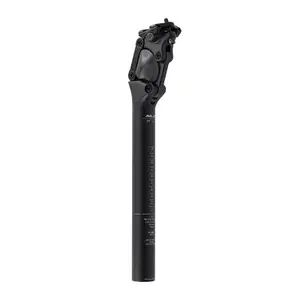
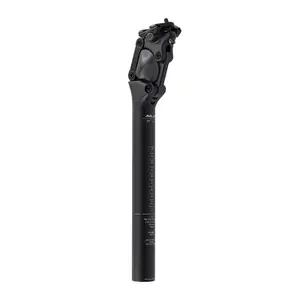
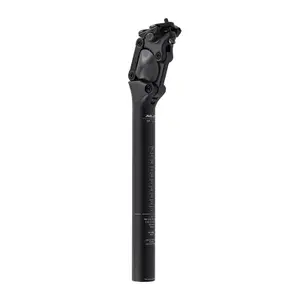
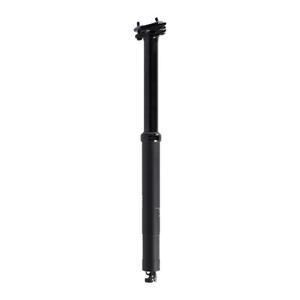


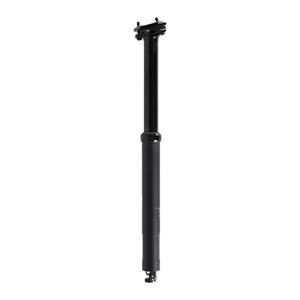


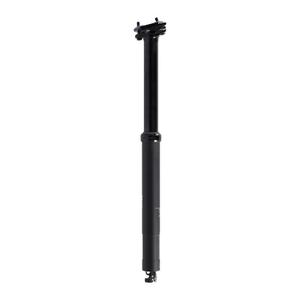


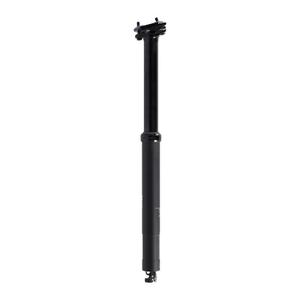
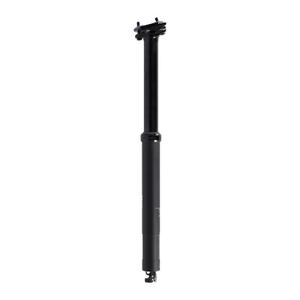

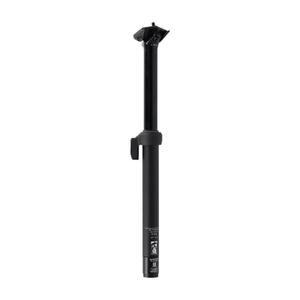
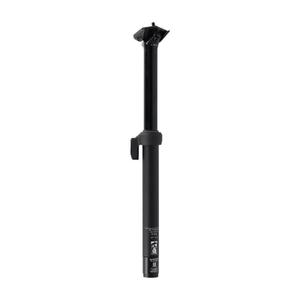


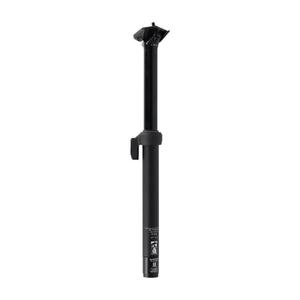
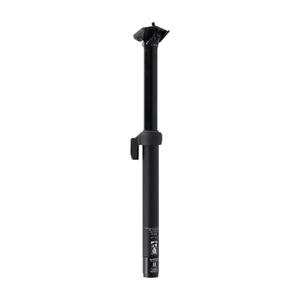
A road bike seat post is first chosen based on the diameter of the seat tube, most often 27.2 mm, then based on the setback, which positions the seat further back or forward, and the material: carbon for lightness and dampening, aluminium for toughness. An aero frame requires a post designed by its manufacturer. Dropper and suspended posts are also featured on this page.
Why change the seat post on a road bike?
On a road bike, the seat post is rarely changed on a whim. It’s replaced to make the bike lighter, to gain a bit of comfort on rough roads, to correct your position when adjusting the saddle rails is no longer enough, or to house the battery of an electronic transmission. It should also be replaced after a fall or if it has a deep scratch, especially if it’s carbon. A seat post that is too short, which forces you to exceed the minimum insertion mark to reach your saddle height, should be replaced with a longer model.
Carbon or aluminium: which post for the road?
Carbon is dominant on racing bikes. At the same length, a carbon post is often lighter, and its layering can be designed to flex slightly backwards to filter vibrations without weakening pedalling. Aluminium, whether forged or machined, is cheaper and better handles rough clamping or transport against other bikes: it’s a good choice for a training or touring bike. In both cases, look at the design of the bracket: a single-bolt clamp is easy to adjust, while a two-bolt clamp allows for very fine saddle tilt adjustments.
Straight or set back: where to position the saddle?
The set back measures the offset between the post’s axis and the centre of the bracket. A straight post places the rails directly above the seat tube, while a set back post moves them about 12 to 25 mm back, depending on the model. The choice depends on the desired position: a straight post shifts the hips forward for a more stretched position, which is appreciated in time trials and on frames with a reclining seat angle, while a set back post is suitable for longer thigh segments and cyclists who like to pedal sitting back. First, adjust the saddle on its rails: only change the set back if you reach the limit.
Diameter, aero frames, and Di2 battery
The reference diameter for a road bike is 27.2 mm, but some frames require 31.6 mm, while older bikes may be 25.4 mm or other sizes: check the value engraved on your current post before ordering. Aero bikes and many recent carbon frames use a D-shaped or profiled post specific to the model and sometimes its generation: only the reference provided by the frame manufacturer will fit, along with the correct collar or clamp. On a bike equipped with a Shimano Di2 electronic transmission, the battery often fits in the post: ensure that the chosen model accepts its adapter.
Saddle height and tightening: the right techniques
Before removing the old post, mark its height with a piece of tape and measure the distance between the centre of the bottom bracket and the top of the saddle: this way you can get back to your position. A common method sets this distance at about 0.883 times the inseam, measured barefoot against a wall, and then fine-tuned over rides. Clean the seat tube, apply a carbon assembly paste if the frame or post is carbon, and tighten the collar and bracket with a torque wrench, without exceeding the torque specified on the parts.
Saddles, stems, and posts from other bikes
A new post adjusts with the saddle: road bike saddles are chosen based on your sit bone width and position. To fine-tune the entire handlebar setup, take a look at the road stems and bars and handlebars. Short-travel posts for trails are also compiled under gravel seat posts, and all sizes, including reducers, can be found on the main seat posts page.
What brands offer a road seat post?
Rockshox brings its wireless telescopic post, the Reverb AXS XPLR, to gravel and adventure roads, available in 27.2 mm and 50 or 75 mm travel, allowing you to lower the saddle on fast descents without letting go of the handlebars.
Cannondale offers posts specific to its frames, such as those for the SuperSix Evo, and the HollowGram Save in carbon, available in 25.4 or 27.2 mm with 15 mm of set back, designed for a bit of flex without losing performance.
Pro, the component brand of the Shimano group, offers the Vibe for the road, the Discover in carbon for gravel, with 20 mm of set back and a housing for the Di2 battery, as well as the PLT and LT in aluminium.
Deda, an Italian brand of road components, offers the Zero100 in forged aluminium, either straight or with 12 mm of set back, and the Superzero, shown here in a version with 25 mm of set back.
FSA includes the set back in the name of its posts, SB0 for a straight post, SB20 or SB25 for 20 or 25 mm of set back; their K-Force and SL-K in carbon come in a Di2 version, designed to accommodate the transmission battery.
Ritchey, a brand founded in California by frame builder Tom Ritchey, offers the WCS Link in aluminium, with 20 mm of set back and a reversible two-bolt bracket, the Classic with two bolts, and the Comp range.
Road seat posts on sale
A seat post from an end of series or an older colour goes into the road component clearance; newly referenced models are among the new arrivals. The winter sales are a great time to reassess your position before getting back out there.
Frequently asked questions
What saddle height should I have on a road bike?
With your heel on the pedal at the bottom of the stroke, your leg should be straight: when pedalling normally, it should then remain slightly bent, without your hips rocking side to side. The inseam multiplied by 0.883 gives a starting point, which can be adjusted in small steps of a few millimetres. A posture assessment from a specialist can fine-tune this adjustment.
Can I install an aluminium post in a carbon frame?
Yes, provided you respect the exact diameter and use a carbon assembly paste rather than grease. Tighten the collar to the torque specified by the frame manufacturer, never more: over-tightening can crack the seat tube.
Does a carbon seat post make the bike more comfortable?
A bit, especially if it is designed to flex and if a good length protrudes from the frame. However, the width and pressure of the tyres, as well as the saddle, have a greater impact on perceived comfort. A carbon post is primarily chosen for weight and adjustability.
Does a telescopic post have its place on a road bike?
Rarely on pure road bikes, where the saddle height stays constant. It becomes useful on gravel or on mountain roads mixed with paths, with a short travel of about 50 to 75 mm in 27.2 mm. It weighs more than a rigid post and requires a remote control on the handlebars.
How do I replace the post on an aero bike?
Check the model and year of the frame, then order the post specified by its manufacturer: its profiled shape cannot be replaced by a round post. Check the set back offered, the length, and the clamping piece, often integrated into the frame, before mounting the new post to the indicated torque.