
Rear bike lights for road, gravel and city
Starting at £27.88
£22.83
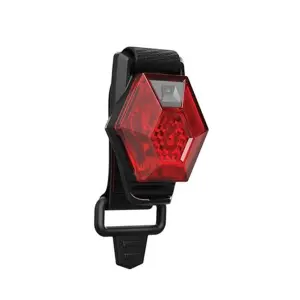
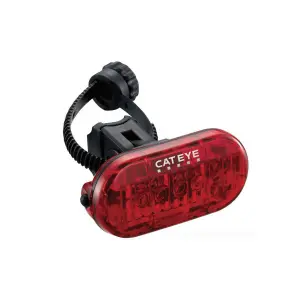
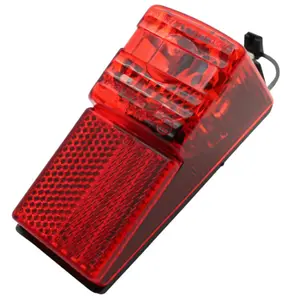
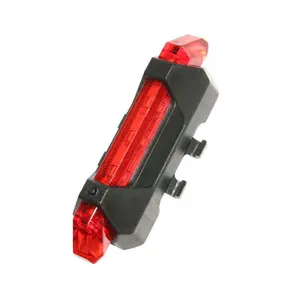
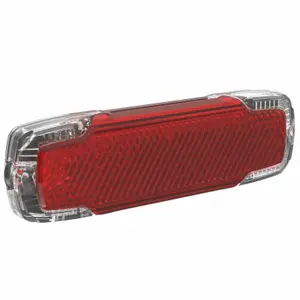
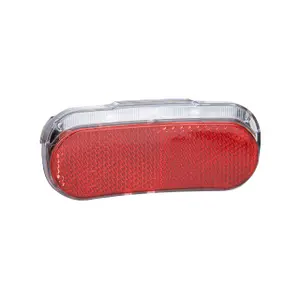
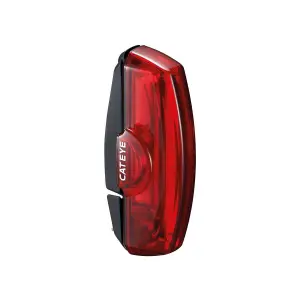
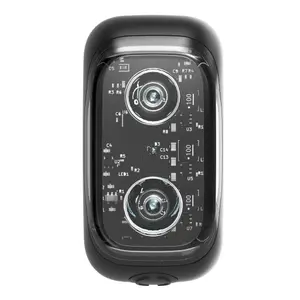
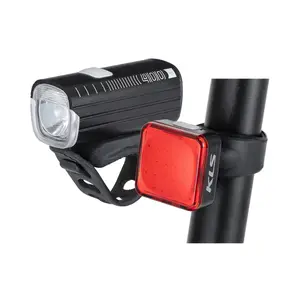
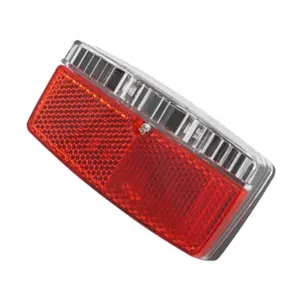
A rear bike light makes you visible to vehicles coming up behind you, on the road as on a gravel track at dusk. In the UK, a red rear light and a red rear reflector are compulsory at night. Then choose the power source, USB, battery or dynamo, the mount that suits your bike and the useful features, such as a brake light.
What does the law say about rear bike lights?
In the UK, the Highway Code states that at night your bike must have a white front light and a red rear light lit, and must be fitted with a red rear reflector and, except on some older bikes, amber pedal reflectors. White front reflectors and spoke reflectors are recommended to help you be seen. Flashing lights are permitted, but the Code recommends a steady front lamp for cyclists riding in areas without street lighting. Rules vary from one country to another, so check those that apply where you ride, in Ireland and the United States in particular.
Beyond these requirements, a flashing mode catches the eye in daylight, and a second rear light, on the bike or worn by the rider, adds to your visibility.
Rechargeable, battery or dynamo?
- USB rechargeable: the usual choice on road and gravel bikes, light, cable-free, with several brightness modes. Recharge it after every long ride.
- Battery powered: simple and always ready, ideal as a backup light in your bag.
- Dynamo powered: supplied by a hub or a bottle dynamo, it lights up without recharging, often with a standlight function that keeps it on when you stop. It equips city and touring bikes.
- Wired to the battery of an e-bike: lights designed for a voltage range, from 6 to 36 volts for example, come on with the assistance.
Where should you mount a rear bike light?
The seatpost remains the classic spot; check that the mount accepts an aero seatpost if your bike has one. On a loaded bike, a saddle bag often hides the seatpost: the light then goes on the loop provided on the bag, on a seatstay or on the pannier rack, where lights bolt on with 50 or 80 mm hole spacing. Mudguard lights suit city bikes. The main light belongs on the bike; a light on your helmet or backpack is an addition, higher up in drivers' line of sight.
Brightness, battery life and useful features
In town, a few dozen lumens are enough at night. On the road, by day as at dusk, a more powerful light, up to 200 or 260 lumens, can be seen from much further away. The stated battery life depends on the mode: a low-intensity steady mode lasts several times longer than the most powerful one, which is worth checking for long gravel rides that finish in the dark.
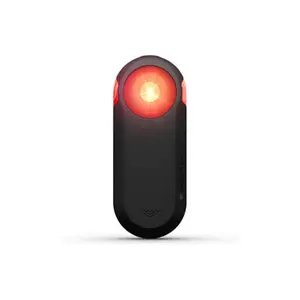
Some lights add a brake light that brightens when the bike slows down, others a light sensor that adjusts the intensity. Radar lights warn you of a vehicle approaching from behind on a compatible bike computer, a welcome aid on the small roads that link two sections of track.
Front lights and gravel electronics
A rear light goes hand in hand with a headlight: front bike lights detail beam power and handlebar mounting. Alerts from a radar light appear on compatible bike computers and GPS. All these accessories are gathered in gravel electronics.
Which rear bike light brand should you choose?
Herrmans, a Finnish manufacturer of lights and reflectors, mounts its H-Trace on pannier racks in a dynamo or e-bike version, and offers an approved safety distance arm that attaches to the seatstay.
Spanninga has made bike-mounted lights its speciality: dynamo models for mudguards such as the Pixeo or the Vena, for pannier racks such as the Lineo or the Safe with a brake light option, and the Solo XE for e-bikes from 6 to 36 volts.
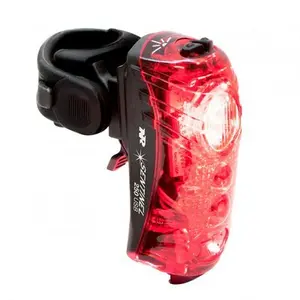
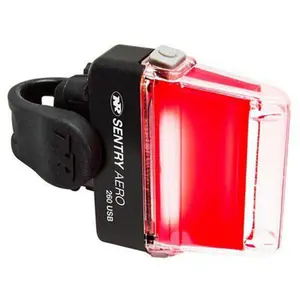
NiteRider focuses on power with rechargeable lights from the Cherrybomb 100 to the Sentinel 250 and the Sentry Aero 260.
Kheax names its lights after stars, Zaurac, Maïa or Izar, and offers the Nunki, rechargeable via USB.
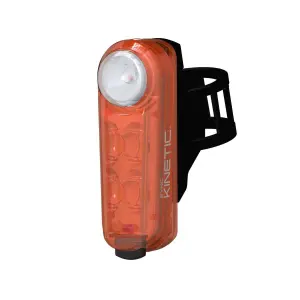
Cateye covers every use, from the Wearable X, worn on a bag or on clothing, to the 40 or 50-lumen Sync Kinetic, by way of the Omni and the Orb.
Knog offers its Blinder in several LED patterns and in a Link version for pannier racks, alongside the small rechargeable Frog.
Rear bike lights on sale
Lights from updated ranges go through road clearance, and recently arrived models through new arrivals. Black Friday falls just as the days are getting shorter, when lights become essential to get home from a ride.
Frequently asked questions
Which bike lights are a legal requirement?
In the UK, the Highway Code requires a white front light and a red rear light, lit at night, along with a red rear reflector and amber pedal reflectors on most bikes. Elsewhere, including Ireland and the United States, the rules may differ: check those that apply where you ride.
Can you ride with a flashing rear light?
In the UK, the Highway Code permits flashing lights, while recommending a steady front lamp in areas without street lighting. Some countries require a steady rear light, so check the rules where you ride. A flashing mode is useful in daylight, and at night a steady red light kept on the bike remains a safe choice.
How many lumens for a rear bike light?
For town riding at night, a few dozen lumens are enough. For riding on the road by day or at dusk, go for a much more powerful light, while avoiding dazzling a cyclist following close behind you in a group.
What is a radar rear light for?
It detects vehicles approaching from behind and shows them on a compatible bike computer or phone, while also working as a red rear light. It does not replace looking over your shoulder before changing your line.
Is a hi-vis vest compulsory when cycling?
In the UK, the Highway Code does not require one: it advises light-coloured or fluorescent clothing in daylight and poor light, and reflective clothing or accessories, such as a belt or arm and ankle bands, in the dark. Some countries make it compulsory in certain situations, so check the rules where you ride.