Electric bike lights and town lamps
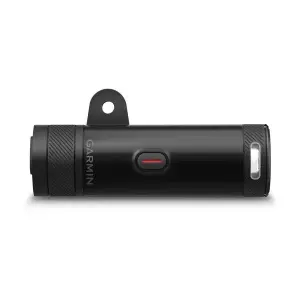


An electric bike light connects to the battery and turns on with assistance, a hub dynamo light at the front wheel, a city lamp recharges via USB. In the city, it is mainly used to be seen at intersections and to illuminate dark paths without dazzling: check the accepted voltage, the mounting and the shape of the beam.
Why have a headlight in the city, even under streetlights?
In the city, street lighting does not replace a front light: you need to stand out from car headlights, be seen by a pedestrian crossing, and see the surface of a greenway or park without streetlights. Wired to the e-bike or a dynamo, a permanent headlight works with every ride without you having to think about it. A USB rechargeable light can be taken off when parking and moved from one bike to another, as long as you remember to recharge it.
Connected to the battery or a dynamo
On an e-bike, the headlight must accept the lighting output voltage from the motor, typically 6 or 12 volts, and this output needs to be activated in the motor settings: the bike's manual or your bike shop can confirm this. The headlight then turns on with the display, requiring no recharge. On a non-assisted city bike, the dynamo hub generates power while riding; many dynamo headlights include a parking feature that keeps a light on for a few minutes when stopped, and sometimes a sensor that turns on the light at dusk.
Basket, handlebar bag: where to fix the headlight?
The handlebar remains the most common spot for a USB light. On a city bike, a front basket or handlebar bag often obscures the beam: if so, mount the headlight on the fork crown, on the bracket under the front rack, or the side of the basket. E-bike and dynamo headlights are usually mounted on the fork or stem, with the cable running along the fork. Then tilt the light so that the brightest area touches the ground a few steps in front of the wheel.
Don’t dazzle: beam and regulations
The Highway Code, as referenced by service-public.gouv.fr, requires a white or yellow position light at the front, non-dazzling, at night and when visibility is poor, along with a white reflector. On a two-way cycle path, a too-powerful round beam can blind approaching cyclists. Some headlights with sharp cut-off, designed to meet German regulations, light up the roadway without shining into the eyes. For USB lights, a daytime flash mode and side openings give you better visibility at intersections.
Rear light and other pages
A red light and reflectors complete the headlight; they are grouped with other visibility solutions in urban bike lighting. For night riding on unlit roads and paths, the front lighting for gravel features much more powerful lamps.
Which brands of bike lights for the city?
Moon equips the Meteor-X Auto Pro with a light sensor that automatically turns it on and off, side openings, and a removable battery; the Orion-W, compact, integrates a reflector and attaches via a magnetic mount.
Kheax, a French brand of accessories designed for daily commutes, names its lights after stars chosen for their brightness: the Reda III, at 350 lumens, charges via USB and attaches to the handlebars, and the Capella rounds out the range.
Knog gives its Cobber lights a beam that covers a 330-degree arc, visible from the side as well as the front, and offers the small Frog, USB rechargeable, which attaches without tools.
Bicycle lights on promotion
Headlights that are being phased out appear in the safety and visibility clearance sale, and the recently added models are grouped in the new arrivals. With shorter days approaching, Black Friday is perfectly timed for getting equipped.
Frequently asked questions
Which headlight should I choose for an electric bike?
Ideally, a model connected to the battery and compatible with the lighting output voltage: it works as soon as the display is turned on, with no recharge needed. If the bike has no lighting output, a USB light mounted on the handlebars or fork is perfectly fine for the city.
Do I need a powerful headlight to ride in the city?
No. In lit streets, a few dozen to a few hundred lumens is sufficient to be seen; the shape of the beam and side visibility matter more. A more powerful headlight is justified on unlit paths and roads on the outskirts.
Dynamo or rechargeable light for commuting?
The dynamo hub provides light without ever running out of battery, an advantage for daily commutes year-round. The rechargeable light is cheaper to install and can be moved from one bike to another, but it needs to be regularly recharged and removed when parked.
Should the front light of a bike be white?
It must emit a white or yellow light, without dazzling other users. Coloured lights, red or blue at the front, do not comply with this rule and can be confusing.
How do I adjust the height of the beam?
Park the bike facing a wall a few metres away: the top of the beam should be lower than the height of the headlight. While riding, the brightest spot should land a short distance in front of the wheel, without rising towards the eyes of those you meet.