
BMX gyros: complete kits, rotors and plates
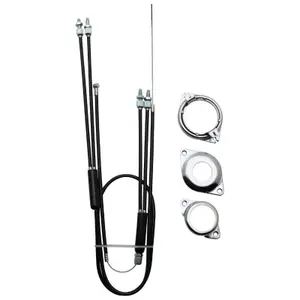
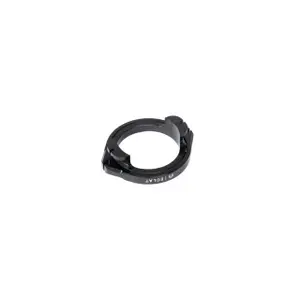
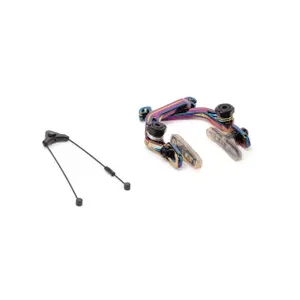
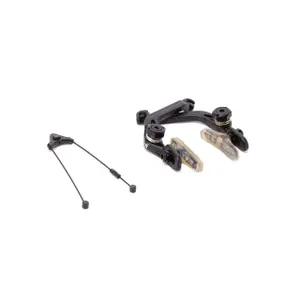
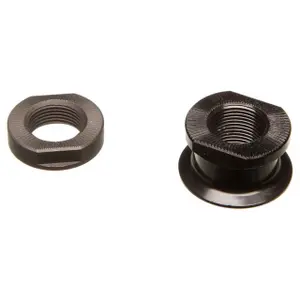
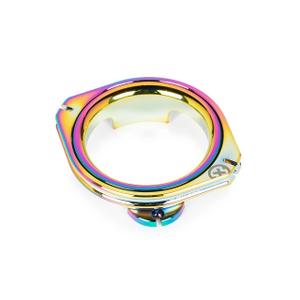
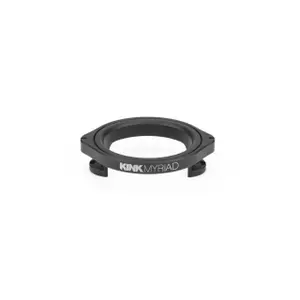
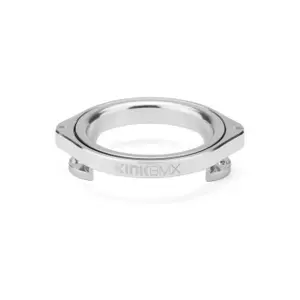
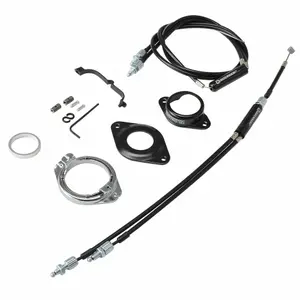
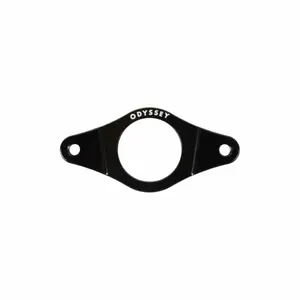
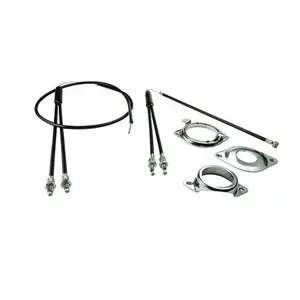
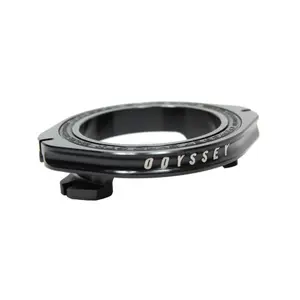
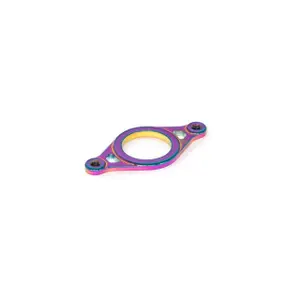
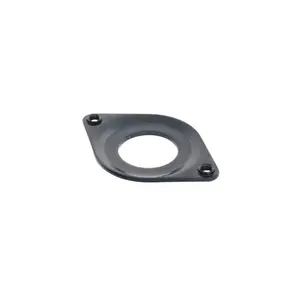
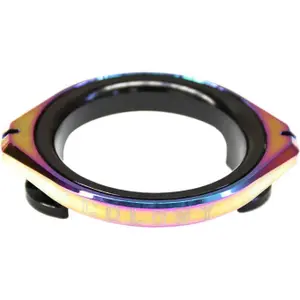
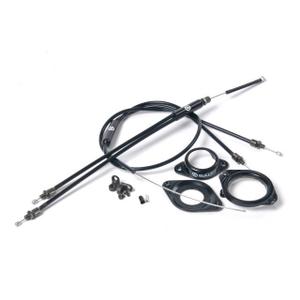
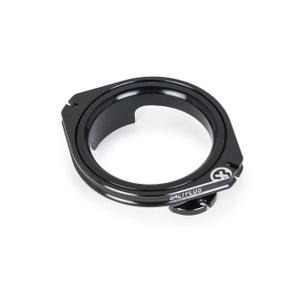
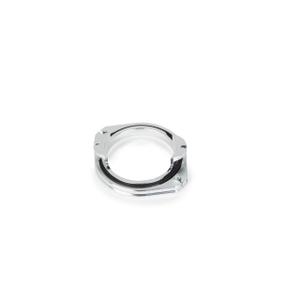
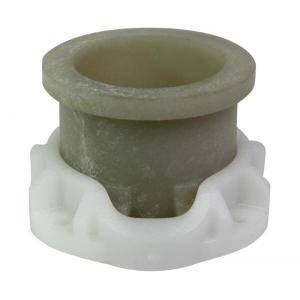
The BMX gyro, also called a rotor, lets the handlebar spin round without the rear brake cable wrapping itself around the stem. Choose a complete kit for a first set-up, or the rotor on its own and its plate to replace a worn part. Above all, check the diameter of the fork steerer and whether the head tube has gyro tabs.
How does a BMX gyro work?
In freestyle, in the street as in the park, tricks where the handlebar turns one or more full turns are common: without a special device, the rear brake cable would wind up from the very first turn. The gyro places two stages around the fork steerer that turn independently of each other, so the brake stays available whatever the position of the bars. It is also found on old school and collectors' BMX bikes, where it is part of the period build.
Complete gyro kit, rotor on its own or plate: what to replace?
A gyro kit generally includes the rotor, the lower plate and the upper and lower cables; all that remains is to add the lever and the brake. The rotor on its own is changed when its friction bushing is worn or when it has been bent in a crash, the plate on its own when it is buckled. Machined aluminium rotors focus on stiffness and low weight, models with a polymer bushing on smooth rotation. Also look at the height of the assembly: a low-profile gyro leaves more room to adjust the stem height.
Compatibility: fork steerer and gyro tabs
The gyro slides onto the fork steerer, below the stem, in place of some of the spacers. Most current BMX bikes use a 1 1/8 inch steerer; older bikes and some entry-level BMX bikes have a 1 inch steerer, which calls for a gyro of that diameter. Finally, the frame must have, on the head tube, the tabs that guide the lower cables: on an integrated headset frame without them, they are fitted into holes designed for the purpose, and cannot be improvised.
Cables, levers and BMX brakes on sale
A gyro works with a split upper cable and a dedicated lower cable, presented with our BMX cables and housing. The lever and the brake are chosen from our BMX brake levers and BMX brake callipers. Gyros from an older range are offered in the BMX outlet, recent references in new arrivals.
Which BMX gyro brand should you choose?
Odyssey BMX, the Californian brand from Norwalk whose Gyro was among its very first products, offers the Gyro G3 kit with its cables, designed for 1 1/8 inch headsets, as well as replacement plates.
Kink BMX machines its Myriad gyro from 6061-T6 aluminium and fits it with a nylon bushing, for only around thirty grams.
Salt Plus designs the Geo, a flat gyro with a polymer bushing, and offers the matching Geo plate.
Eclat machines its Cyclone gyro from aluminium, with a 48 mm bore and a height of 19 mm, to be paired with its Flat plate and its gyro cables.
Frequently asked questions
Can you put a gyro on any BMX?
No. You need a steerer of the right diameter, enough height under the stem and gyro tabs on the head tube. Race BMX bikes, braked by a V-brake and with no bar spins, do not need one.
Why does my gyro catch when I turn the bars?
A worn bushing, a bent rotor or dirt between the two stages slows the rotation. Take it apart, clean it, check that the plate is flat and replace the damaged part.
Can you ride with a rear brake but no gyro?
Yes, with a straight cable, as long as you do not spin the bars a full turn. It is the simplest and lightest set-up for dirt riding or for beginners.
Is an aluminium gyro better than a plastic one?
Machined aluminium stands up better to knocks and keeps its shape. Plastic is light and affordable, but deforms more easily after a crash.
How do you look after a BMX gyro?
Clean it after dusty or wet sessions, without thick grease that would hold the dust. Regularly check the cables, which fray at the ends, and that the stem above the gyro is tight.