Bike Fasteners: Chainring Bolts, Crank Bolts and Hub Bolts


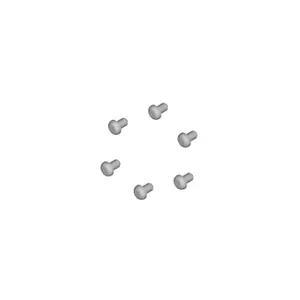

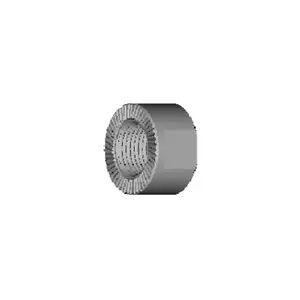
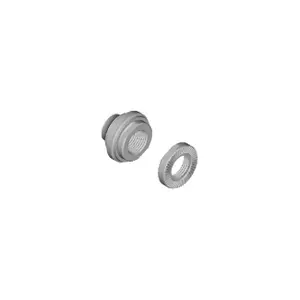
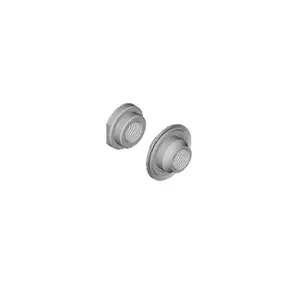
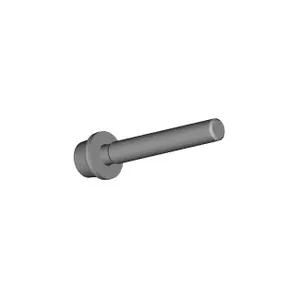
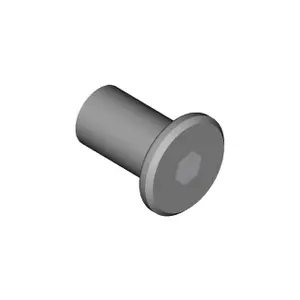
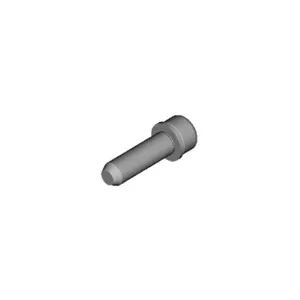

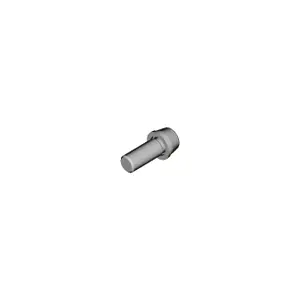


Replacement bike screws replace lost, damaged or seized screws that immobilise a bike: screws and chainrings, crank bolts, hub locknuts, brake bleed screws or small suspension screws. Before ordering, note down the reference of the original part, the diameter and pitch of the thread, the length and the head shape.
What is the purpose of spare screws?
A screw may seem insignificant until the day it's missing. A rounded head from a poorly engaged wrench, a chainring screw lost on the side of the road, a worn locknut on the hub, or a bleed screw with a failing seal are enough to immobilise a bike. Specific screws allow you to repair without changing the whole component, as long as you find exactly the part intended by the manufacturer: length, thread, and head shape are never quite standard from one brand to another.
Crankset: chainring screws, spacers and crank screws
The chainrings are fixed by a screw and a spacer, the hollow nut that receives it from the other side. Their length depends on the number of chainrings they pass through: single, double or triple. Also count the arms of the crankset, four or five, and check the fixing diameter, 110 mm on many road cranksets for example.
The left crank is secured by a central screw or pinch bolts. A self-extracting screw pairs a screw with a threaded cap: by loosening it, it pushes the crank off the axle, without a crank puller. Electric bikes have their own crank screws, which depend on the motor: be sure to note its exact reference before placing any order.
Hubs, wheels and brakes: locknuts, spoke nipples and bleed screws
A cone hub is adjusted by a locknut that secures the cone to the axle: if it is damaged, the adjustment of play won’t hold. These parts are ordered based on the reference engraved on the hub or indicated for the wheel, as axle diameter, pitch, and thickness vary. Replacement spoke nipples are used to replace a broken nipple before revealing a wheel. Regarding hydraulic brakes, the bleed screw and its seal are replaced as soon as they leak or when the head is marked: each brand, and sometimes each series, has its own.
Reading a reference: diameter, pitch, length and profile
A metric screw is designated by its diameter and pitch, for example M5 x 0.8, followed by its length under the head. The bottle cage screws and many clamps are M5, chainring screws are M8, and crank screws range from M8 to M18 depending on the crankset. Check the profile, hex or Torx, like the commonly used T25 on discs and calipers, and the material: steel handles repeated tightening, aluminium lightens chainring screws, titanium is lightweight and does not rust, but requires careful tightening.
Tightening correctly: torque, grease, and thread-lock
The tightening torque is often indicated on the part or in the component’s manual: respect it with a torque wrench, especially on aluminium and carbon. A thin layer of grease on the threading prevents a steel screw from seizing in an aluminium component. Some screws come with pre-applied thread-lock on the threading, a blue or red dot: don’t grease them, and replace them after several disassemblies.
Other workshop consumables
An intervention on the brakes is a good opportunity to check the brake pads of a disc brake or the brake shoes of a rim brake. A frayed cable or a split housing is replaced with cables and housings, and all wear parts are listed in the consumables.
Which bike screw brands are available?
E*Thirteen supplies the self-extracting crank screws for its E*Spec cranksets for electric bikes, in versions for Shimano EP8, Bosch, or Brose motors, along with a screw kit for its Supercharger chain guard.
Shimano sells individual locknuts and cones for its hubs, referenced by the model of the wheel or hub, as well as M8 chainring bolts and crank screws for its cranksets.
Race Face provides the extracting screws and caps for its Cinch cranksets, in M18, the screws for its older Next and Evolve cranksets, and steel chainring screw kits.
Specialités T.A., a French manufacturer of chainrings, offers screws for chainrings for Shimano 105, Ultegra, and Dura-Ace with four branches of 110 mm, for Campagnolo, and in sets of five for double chainrings.
Sram offers self-extracting screw kits for its DUB cranksets, steel or aluminium chainring screws, and titanium screws with a profile Torx T25 to attach brake calipers.
FSA has spacers for single, double chainring or electric bike, and the tightening screws, self-extracting or not, for its Mega-Exo and BB30 cranksets.
Bike screws on promotion
End-of-line screw kits can be found in the clearance, and newly listed spare parts in the new arrivals. Building up a small stock of chainring screws and bleed screws prevents immobilising the bike on the day one of them is missing.
Frequently asked questions
How to find the right chainring screw?
Count the chainrings the screw passes through, single, double or triple, and the arms of the crankset. Measure the length of the screw and the original spacer, or refer to the crankset reference. Some chainrings require a flat head or a specific shoulder.
Can a steel screw be replaced with a titanium screw?
Yes, if the titanium screw has exactly the same diameter, pitch, and length, and if the component manufacturer does not prohibit it. Titanium can seize easily: apply a suitable assembly paste and tighten to the specified torque. Avoid aluminium for screws that endure high loads, like those on calipers.
What is a self-extracting crank screw?
It’s a crank screw retained by a threaded cap. By unscrewing it, it rests on this cap and extracts the crank from the axle, without a crank puller. If the cap is lost or damaged, replace the entire unit.
How to choose a hub locknut?
Refer to the reference on the hub, engraved on its body, or that of the wheel. The side also matters, left or right, as pieces often differ. When in doubt, take the old locknut to compare diameter, pitch, and thickness.
Should a bike screw be greased?
Generally, yes, with a thin layer, to avoid seizing and achieve precise tightening. Exceptions are screws supplied with thread-lock and assemblies for which the manufacturer specifies a particular product, like disc screws.