Road bike bar tape, hood covers and end plugs


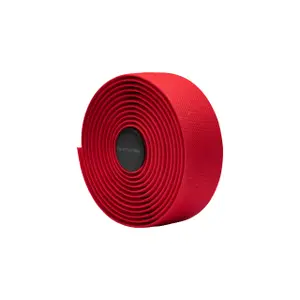
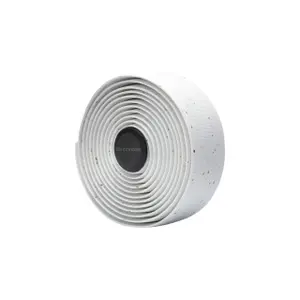
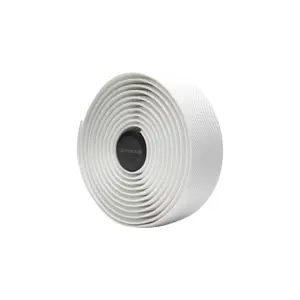
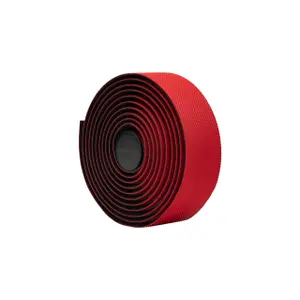


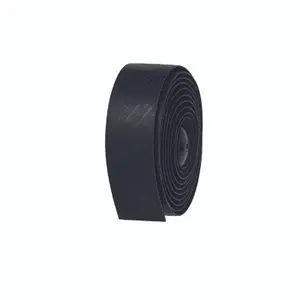

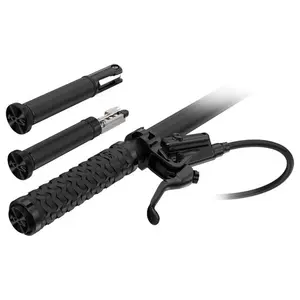

Road bike bar tape covers the handlebar where your hands spend hours: on the tops, on the hoods and in the drops. Choose it according to the way you ride, thin to keep a direct feel when racing, more cushioned for long rides. Replacement hood covers and bar end plugs complete this cockpit section.
Where do your hands rest on a road handlebar?
A drop handlebar offers three main hand positions. On the tops, near the stem, you ride relaxed on steady climbs. On the hoods, your hands rest on the lever bodies, within reach of the brakes and gears: it is the most common position. In the drops, your upper body lowers for descents, headwinds and sprints. Bar tape covers this whole area, from the end of the handlebar to the stem, and the hood cover wraps the lever body: together, they provide grip, filter out some of the vibration and hide the cables and hoses that run along the bar.
Bar tape to suit the way you ride
- Climbers and lightweight racers: a thin tape with little cushioning keeps a direct feel of the handlebar and saves a few grams.
- Sprinters and punchy riders: a thicker tape with a polyurethane surface holds your grip when you pull on the bar out of the saddle.
- Sportive and long-distance riders: thicker foam, cork or gel strips placed underneath spare your hands over the hours.
- Rain and sweat: tacky or textured surfaces stay grippy when your gloves are wet.
- Classic or track bikes: thin braided cotton takes on a patina over time and also suits vintage handlebars.
Hood covers: restoring grip to your levers
Hood covers are the rubber sleeves that cover the bodies of the brake and gear levers. Over time, sweat, sun and crashes make them harden, slip or tear, while the lever itself remains in good condition. They are specific to each lever model: note the reference engraved on the lever body, or the groupset name, before ordering. To replace them, unwrap the bar tape as far as the hood, roll the old cover forwards, then fit the new one starting from the top; a little soapy water makes it slide on more easily.
Bar end plugs: closing off and finishing the tape
The bar end plug closes the open tube at each end and holds the last wrap of tape in place. Push-in models are held by friction alone, while expanding models screw in to press a ring against the inside wall of the handlebar and do not fall out. On some Shimano Di2 electronic drivetrains, the junction box, with its charging port, fits in place of a bar end plug.
The road cockpit
Bar tape is often changed at the same time as the handlebar or the stem, when you alter your position. The other contact points, from the saddle to the pedals, are in road bike components.
Which bar tape and accessory brands should you choose?
Velox, a French manufacturer, also supplies workshops with jars of 30 rolls; its Tressostar, in cotton with an adhesive backing, comes in 260 cm rolls, and you need two for a road handlebar.
Supacaz offers its Super Sticky Kush tape in Star Fade, Galaxy or Splat patterns and in a Gravel version, alongside the Prizmatik.
TRP, a braking brand linked to Tektro, sells replacement hood covers for its Hylex levers, a hydraulic disc brake system for drop handlebars, including in their Di2-compatible version.
Shimano offers hood covers and replacement parts for its road levers, right up to the complete lever body.
Pro, Shimano's component brand, sorts its tapes by rider profile: the thinner Peaked for climbers, and the thicker Pursuit, with an EVA foam and gel underlayer, for sprinters and punchy riders.
Bar tape on sale
Replaced colours join the road components outlet, and recently listed tapes can be found in new arrivals. New bar tape is one of the simplest ways to freshen up a bike before the riding season starts again.
Frequently asked questions
When should you change the bar tape on your road bike?
As soon as it slips under your hands, tears after a crash or comes unstuck at the ends. Tape that has lost its cushioning also shows itself through the vibration that comes up into your hands. Take the opportunity to check the condition of the cables and hoses underneath.
How do you wrap an aero handlebar with flat tops?
On a handlebar whose upper section is shaped, the tape usually stops just above the hoods: the tops stay bare to keep their profile. Start at the end of the bar as usual and finish with a neat strip of finishing tape where the section widens.
Which bar tape for riding in the rain?
Choose a polyurethane or textured surface, which stays grippy when wet, rather than smooth leather or cotton that soaks up water. Gloves with grippy palms complete your hold in damp weather.
Do you need to remove the levers to change the hood covers?
No. Simply unwrap the bar tape as far as the lever, roll the old hood cover forwards, then slide on the new one. On hydraulic or electronic levers, no hose or cable needs disconnecting for this job.
What can you do if the bar end plug no longer stays in?
A push-in plug can be refitted with an extra layer of tape at the end of the bar. The longest-lasting solution remains an expanding plug, which screws in and locks against the inside wall of the handlebar.