MTB jackets: waterproof, insulated and windproof


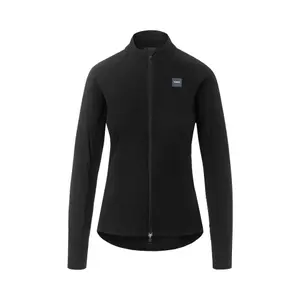


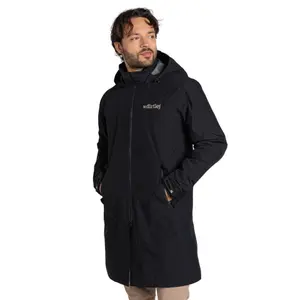
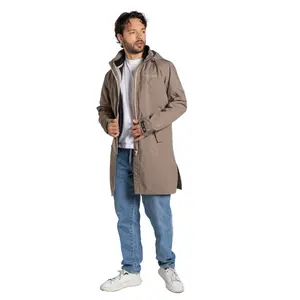
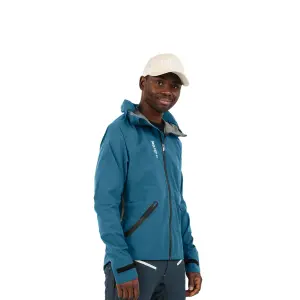
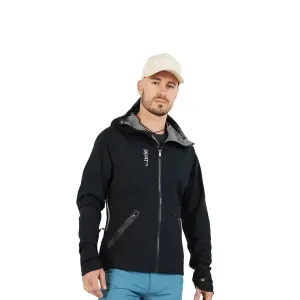
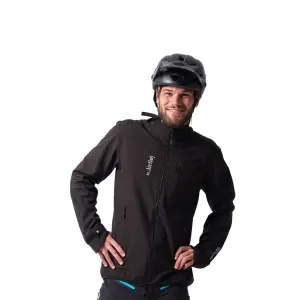
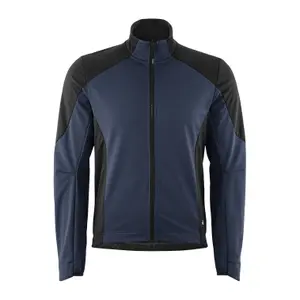
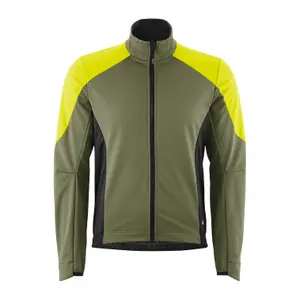
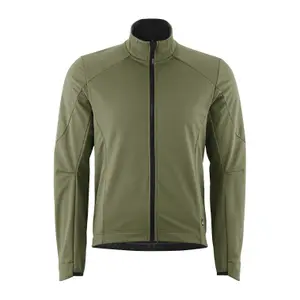
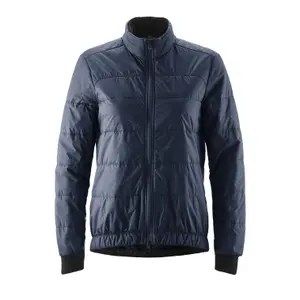
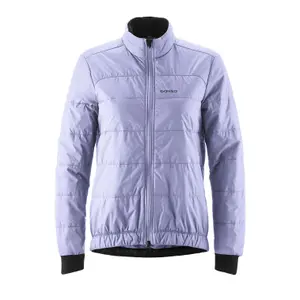
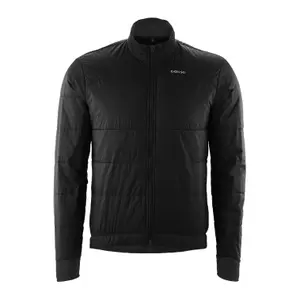
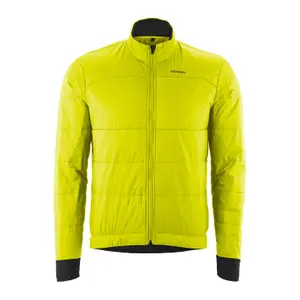
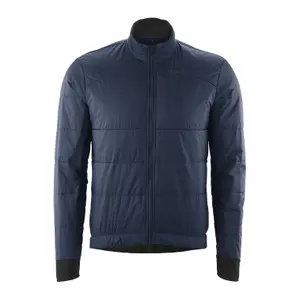
An MTB jacket protects you from rain, wind or cold without restricting your movement on the bike. Choose a waterproof jacket with a membrane for soaking rides, a softshell or a windproof for spring and autumn, an insulated jacket for winter, then check the cut with your arms stretched out towards the handlebar. Gilets, hooded jackets and kids' sets are also on this page.
Why a jacket designed for mountain biking?
On a mountain bike, you are constantly moving, getting up out of the saddle, moving back on descents and lifting your arms to clear obstacles. An MTB jacket follows these movements thanks to sleeves long enough to cover your wrists with arms outstretched, a longer back that protects you from rear wheel spray and a cut that leaves room for a thick jersey, or even body armour. For the road, road cycling jackets are more fitted, and gravel jackets seek a compromise between the two.
Waterproof, softshell, insulated or windproof: which jacket for which weather?
- Waterproof jacket: a membrane blocks water while letting the vapour from sweat escape. This is the jacket for rides in the rain and descents in the mud.
- Softshell: a stretchy, windproof and water-repellent fabric, more breathable than a rain jacket, suited to cool, dry days or short showers.
- Insulated or puffer jacket: synthetic fill or fleece holds in the heat for winter rides and breaks at the top.
- Windproof jacket and gilet: light and packable, they slip into a bag and protect your upper body as you drop into a chilly descent.
Hydrostatic head, breathability, layers: reading the specifications
Waterproofing is measured in millimetres of hydrostatic head: a fabric rated at 10,000 mm withstands a ten-metre column of water before letting water through. Breathability is expressed in grams of vapour released per square metre over 24 hours: the higher the figure, the less you end up soaked from the inside on climbs. Manufacturers do not all measure in the same way, so these figures are best compared within the same brand.
Construction counts as much as the membrane. A two-layer jacket has a loose inner lining, a 2.5-layer jacket replaces the lining with a lighter protective film, and a three-layer jacket bonds the outer fabric, the membrane and the lining into a single fabric that is more resistant to wear. Taped seams stop water getting through the stitching, and a water-repellent treatment makes water bead on the surface. More and more brands use a PFC-free water repellent, PFCs being fluorinated compounds that persist in the environment.
Hood, vents, pockets: the useful details on the trail
A hood wide enough to go over your helmet protects the back of your neck in a storm. Zipped openings under the arms or on the back release heat on climbs, where even the best membrane gets saturated. Check that the pockets stay accessible with backpack straps on, that the cuffs tighten over your gloves and that the jacket packs into a pocket or a bag when the sun comes back out.
Choosing the right size and completing your kit
Try the jacket on with what you wear underneath in winter: a base layer, a long-sleeved MTB jersey and, if you wear one, a back protector. In the riding position, arms stretched towards the handlebar, the sleeves should not ride up and your lower back should stay covered. Women's cuts are narrower at the shoulders and more shaped at the waist, and kids' sets combine a jacket and trousers. To keep your hands dry, pair the jacket with waterproof or insulated MTB gloves, and for your lower body, MTB shorts, bib shorts and trousers also come in water-repellent versions.
Which MTB jacket brands to choose?
Leatt names its jackets after their function: HydraDri for rain, with a waterproof, breathable membrane, WindBlock for wind, and ThermaFlow, lined with fleece, for the cold. The Trail 1.0 and Trail 3.0 complete the range.
VAUDE, a German company from Tettnang, near Lake Constance, puts its own Green Shape label on products designed to its environmental criteria and has given up PFCs; its Moab line is dedicated to mountain biking, from the Moab Pro softshell to gilets, alongside the Kuro and Loamer rain jackets.
Altura, a British brand, has made visibility its signature with the Nightvision range, whose reflective prints on the sleeves, back and shoulders bounce back the light from headlights; the Ridge in Pertex fabric and the insulated Esker Dune are aimed at the trails.
Giro, which equips cyclists and skiers alike, fills its Cascade Insulated with Polartec Alpha insulation on the front and sleeves while leaving the back better ventilated, with a PFC-free water-repellent treatment.
Fox Racing divides its MTB jackets between the Ranger, Defend and Flexair ranges: the Ranger 3L, in three-layer fabric, has a fixed hood roomy enough to go over a helmet, and the Defend comes in a three-layer version for women.
Dirtlej, a German brand from Wittlingen, made its name with the Dirtsuit, a waterproof one-piece suit for riding in the mud; its Weathershield jacket follows the same logic with a recycled membrane, a PFC-free water repellent and large underarm vents.
MTB jackets on sale
Jackets from previous collections and end-of-range sizes go to MTB clothing clearance, while jackets that have just arrived in the catalogue fill the new arrivals page. Black Friday and the winter sales come at the right time to kit yourself out before the wettest rides.
Frequently asked questions
What is the difference between a waterproof jacket and a water-repellent jacket?
A water-repellent jacket makes water bead thanks to a surface treatment: it copes with a shower, but eventually lets water through in prolonged rain. A waterproof jacket adds a membrane and taped seams that keep water out even after hours of rain. For rides in the rain, choose the latter.
How do you look after a waterproof MTB jacket?
Wash it at a low temperature with a liquid detergent, without fabric softener, which clogs the pores of the membrane, then rinse it thoroughly. When water no longer beads, a reproofing product, as a spray or added to the wash, restores the water repellency. Always follow the manufacturer's label for drying.
Does an MTB jacket need a hood?
It is not essential on the bike, where your helmet already protects your head, but a helmet-compatible hood keeps the back of your neck dry in a storm and comes in handy during breaks. On a jacket without a hood, a high collar and a neck warmer do the job in dry weather.
What should you wear under an MTB jacket in winter?
The three-layer principle works well: a base layer that wicks away sweat, a warm mid layer such as a brushed long-sleeved jersey or a thin fleece, then the jacket, which keeps out the wind and rain.
Can an MTB jacket be used for hiking or around town?
Yes, most MTB jackets have an understated look and can also be worn for hiking or every day. Packable models fit easily into a bag.