
Front and rear bike light sets for the city
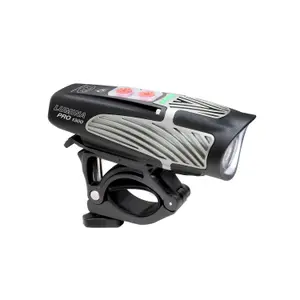
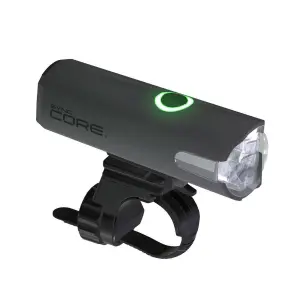
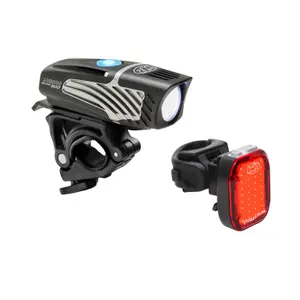
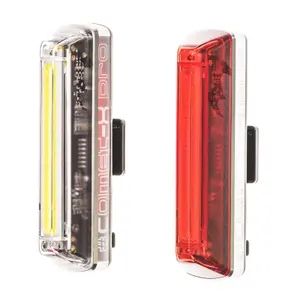
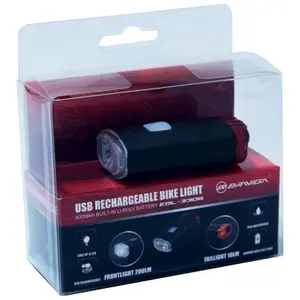
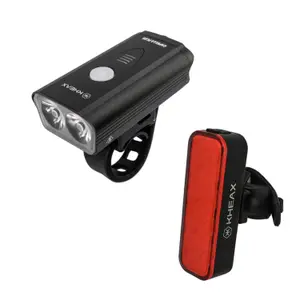
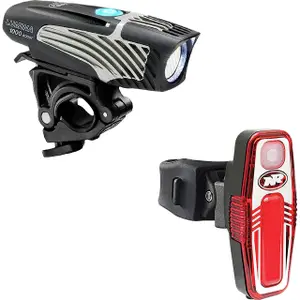
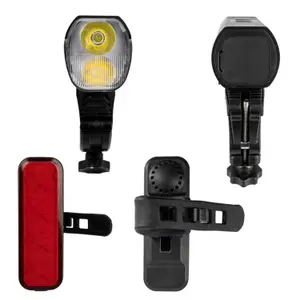
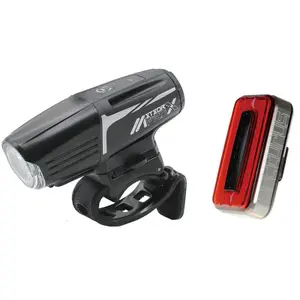
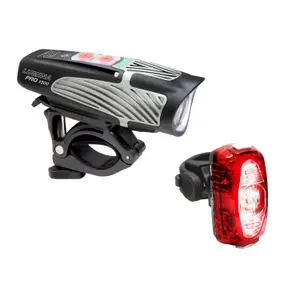
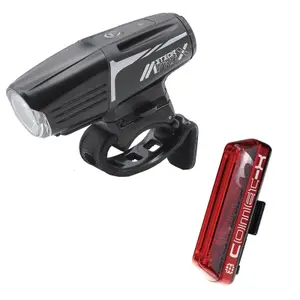
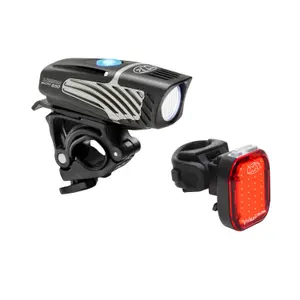
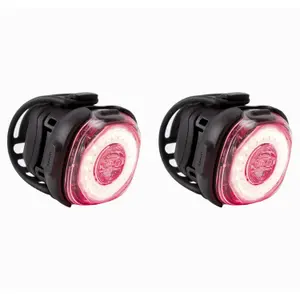
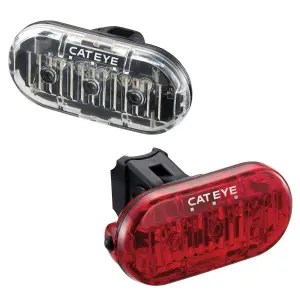
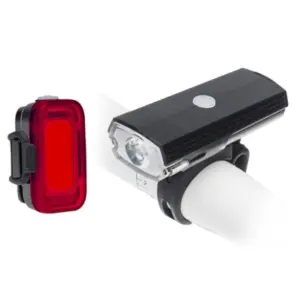
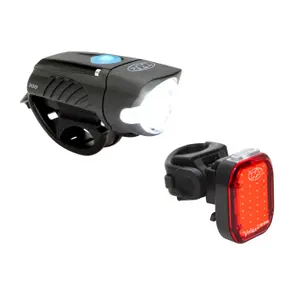
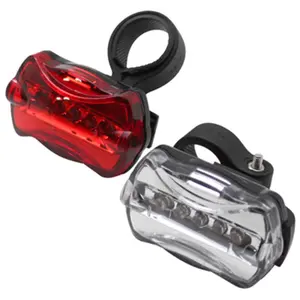
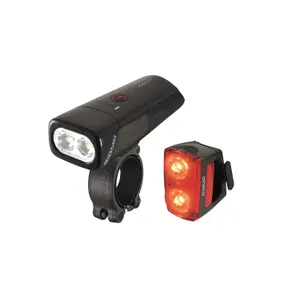
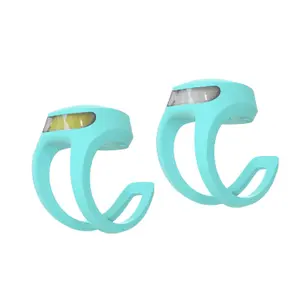
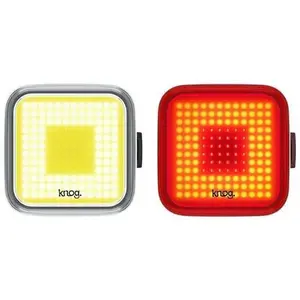
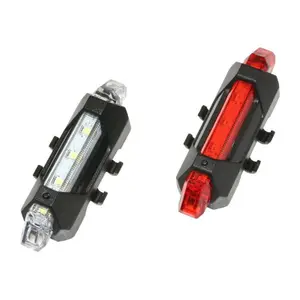
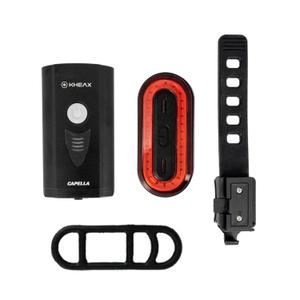
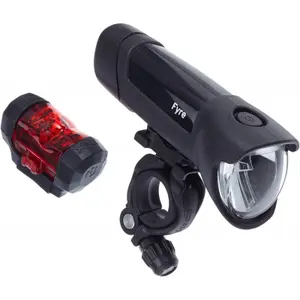
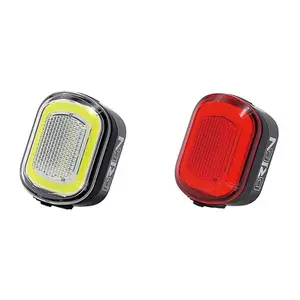
A bike light set combines a matching front light and rear light that fit in seconds, for riding in town at night or when visibility drops. In the UK, the Highway Code requires a white front light and a red rear light at night, and lights must not dazzle other road users. Then choose the power source, USB or batteries, and the mount that suits your bike and your journeys.
Why front and rear bike lights for riding in town?
In town, streets are often lit: the priority is first to be seen by drivers, at junctions, on roundabouts and when a car door opens. With a matching set, both lights share the same charging cable or the same batteries and fit without tools. In the UK, the Highway Code requires both lights at night, along with a red rear reflector; in Ireland, a white or yellow front light and a red rear light are required during lighting-up time. Elsewhere, check the local rules. Many riders also add a second rear light or a brake light, sometimes worn on a bag or a helmet.
USB, batteries or silicone: which bike light set for your journeys?
Sets that are USB rechargeable are the most practical for daily commuting: one charge at the office or at home lasts several days, and their output also lights up a dark cycle path. Battery-powered sets, often made of silicone, are light and slip into a pocket: they are for being seen, as a backup or on a shared bike. For town riding, a few tens to a few hundred lumens are enough at the front; beyond that, tilt the beam towards the ground so as not to dazzle. Some sets add a light sensor that switches the lights on at dusk, or a rear light that brightens when you brake.
Where to attach bike lights: mounting, rain and theft
Fit the front light in the centre of the handlebar, with no basket or bag in front of it, and the rear light high enough to clear a loaded pannier rack. Elastic or clip mounts fit most tubes and come off in one move: take your lights with you when you leave the bike in the street. Finally, choose a set that stands up to splashes.
Which bike light set brand should you choose?
Moon pairs its Meteor-X Auto Pro headlight, which switches itself on when the light fades, with the Comet-X or Arcturus rear lights.
NiteRider combines its Lumina or Swift headlights with its Vmax+ rear light, whose COB LEDs are visible in daylight.
Kheax, a French bike accessories brand, offers rechargeable pairs such as Capella and Tuban or Orion and Zaura.
Cateye controls both lights of its Sync set with a single button: the Sync Core headlight and the Sync Kinetic rear light, whose accelerometer brightens the light as you slow down.
Knog, a Melbourne brand, launched one of the first silicone lights with a built-in strap, the Frog, sold here in pairs.
Urban Proof, a Dutch brand, offers front and rear sets with clips or in silicone, battery-powered, in several colours.
Bike lights on sale and single lights
For a single light, front or rear, see the whole range of city bike lighting. Sets from a previous generation move to the city safety and visibility outlet, the latest ones to new arrivals. Black Friday comes at the right time, just as the days get shorter.
Frequently asked questions
How many lumens do you need for city riding?
On lit streets, a headlight of around a hundred lumens is enough to be seen; between 200 and 500 lumens, it also lights up a dark cycle path or a park. At the rear, a light of a few tens of lumens can be seen from a long way off.
Is a flashing rear light allowed?
In the UK, yes: the Highway Code permits flashing lights, but recommends a steady front light where there is no street lighting. Some countries require a steady rear light, so check the rules where you ride before choosing the flashing mode in traffic.
Should you switch your lights on during the day?
The rules quoted above concern night-time riding in the UK and lighting-up time in Ireland. During the day, lights help other road users spot you, especially in heavy rain, in fog or at dusk.
How do you stop your bike lights being stolen?
Choose a set with clip or elastic mounts, which comes off in a second, and take both lights with you as soon as you leave the bike in the street. Rechargeable models can top up at the same time.
Does an e-bike need a bike light set?
Many have lights wired to their battery. If not, or for a second rear light, a standalone rechargeable set does the job, even when the bike's battery is flat.