
Bike cable locks: looped, coiled or extra long
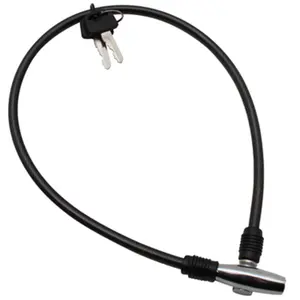
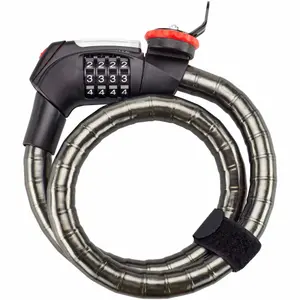
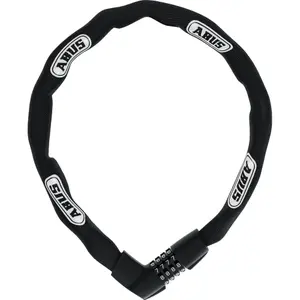
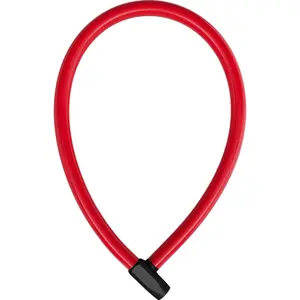
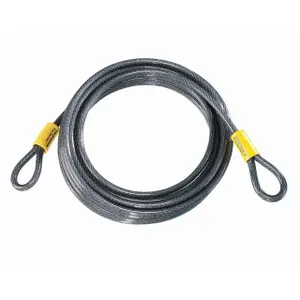

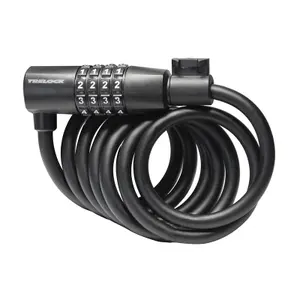
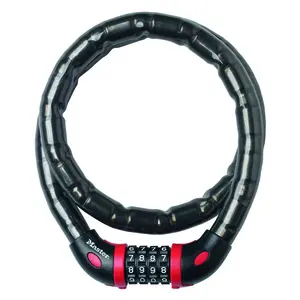
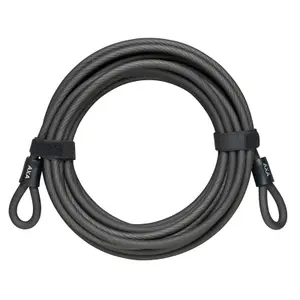
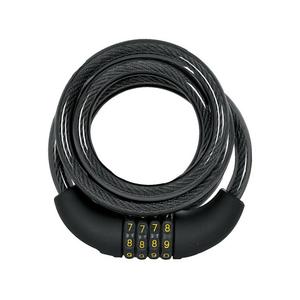
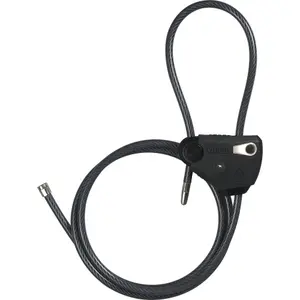
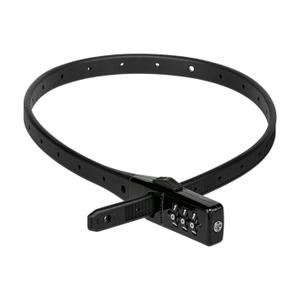

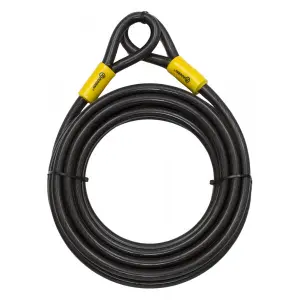
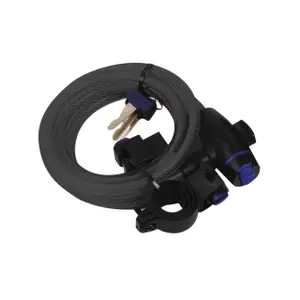
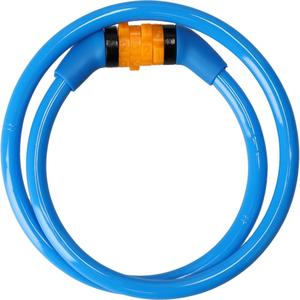
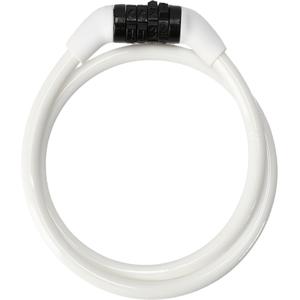
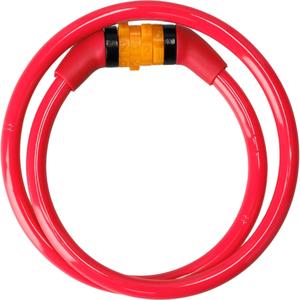
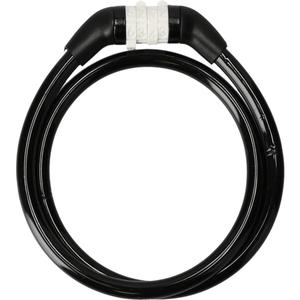
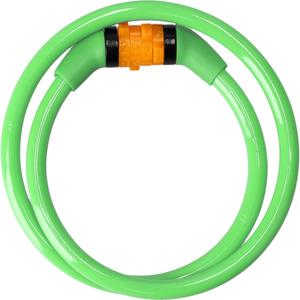
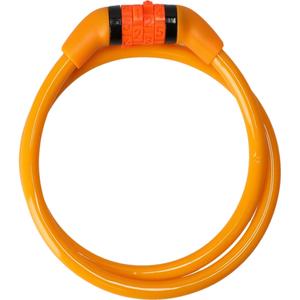
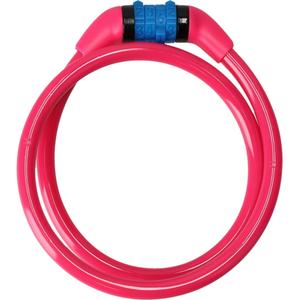

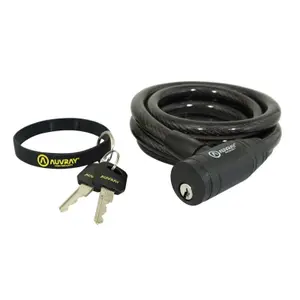
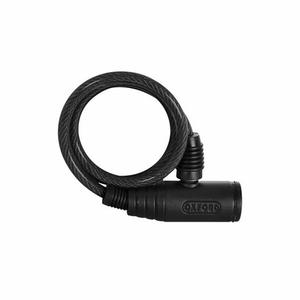
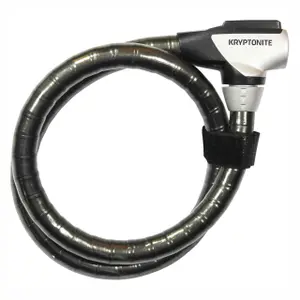

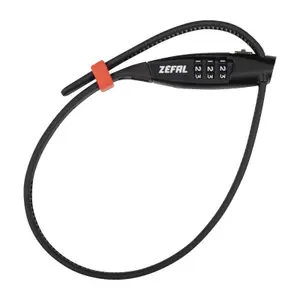
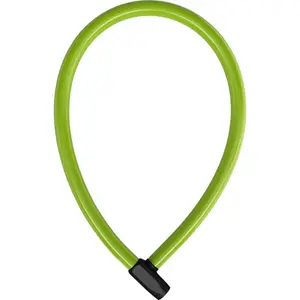

A bike cable lock is light and flexible, but quickly gives way to a tool: it complements a D-lock, a chain or a frame lock rather than replacing them. Depending on the use, choose a looped cable for the front wheel, a coiled or articulated model with a built-in lock for a brief stop, or a cable several metres long to lock a group of bikes.
What is a cable lock for, and is it secure?
A cable meets needs that the main lock covers poorly: immobilising a quick-release front wheel, protecting a saddle, a helmet or a bag, linking several bikes together at a stop or on a bike rack, and deterring opportunistic theft during a stop of a few minutes within sight. Made of braided steel wires, it bends anywhere but can be cut much faster than a shackle or a link: it should never be left alone on a bike parked overnight.
Looped, coiled, flat, articulated or armoured: the designs
- Looped: a braided cable ending in two eyelets, which close onto a D-lock or a padlock, like the Abus Cobra or the Kryptonite Kryptoflex.
- Coiled: it retracts by itself after use and stows on the frame, like the Zefal K-Traz C9 and its bracket.
- Flat: a sheathed steel strip that fits in a pocket, like the Zefal K-Traz Zip3, for a helmet or a very quick stop.
- Articulated: steel segments sheathed in vinyl, stiffer than a cable, like the 18 mm Master Lock models.
- Armoured: a cable surrounded by hardened steel elements that delay cutting, like the Abus Ivera Steel-O-Flex or the Onguard Rottweiler.
Diameter and length: which cable for which use?
The diameter ranges from 10 mm for back-up cables to 22 and 25 mm for armoured models. The thicker it is, the more time and the more powerful a tool cutting requires, but a cable, even a thick one, remains below a D-lock of the same weight. Choose the length according to the use: 45 cm for a pocket cable, about 1 m for an articulated lock, 1.80 m to go round a wheel, the frame and a post, and up to 9 m to lock a group of bikes at a campsite or a holiday cottage, like Auvray's 9 m cable or the 930 cm Kryptoflex.
How to use a bike cable lock with your main lock
Pass one loop through the front wheel, run the cable to the frame, then close both eyelets in the shackle of the D-lock or in the padlock of the chain. For a saddle, thread the cable between the rails. For several bikes, thread it through each frame before locking it round a fixed point. In every case, leave as little slack as possible: a taut cable held off the ground gives less purchase.
Other bike locks
A cable works as part of a team: it closes into the shackle of a D-lock, accompanies a folding lock or backs up a chain lock. On a city bike, the frame lock often accepts a plug-in cable, and the bike locks category gathers every type.
Which bike cable lock brands to choose?
Abus arms its Ivera Steel-O-Flex with case-hardened steel joints that overlap around the cable like scales, for a diameter of 22 mm; the Cobra, a 12 mm cable with two loops, closes onto a D-lock.
Onguard gives the length and diameter in the name of its cables, from the 185 cm, 10 mm Doberman to the 25 mm Rottweiler, reinforced with steel and locked by an X2P double bolt.
Master Lock, an American padlock manufacturer, offers 18 mm articulated steel cables, 1 m long, with a four-digit combination or a key, sheathed in vinyl.
Zefal, a French bike accessory brand, offers the K-Traz range, from the 45 cm Zip3 flat cable to the C9 coiled cable, whose bracket fits tubes from 18 to 36 mm.
Auvray offers the Mega Lock, a 100 cm cable in 10 mm, and a 9 m cable in 15 mm to be closed with a padlock, designed for several bikes.
Kryptonite braids the Kryptoflex from 10 mm steel and finishes it with two loops that close onto a D-lock or a padlock; the 930 cm version links several bikes.
Bike cable locks on sale
Cables from renewed ranges join equipment clearance, and new products new arrivals. Just before the holidays, the summer sales are a chance to plan a long cable for family stops.
Frequently asked questions
Does a thicker cable resist better?
Yes, to a certain extent: a 22 or 25 mm armoured cable takes considerably longer to cut than a 10 mm braided cable. It nevertheless remains less resistant than a D-lock or a chain of similar weight, and serves as back-up protection.
Which cable should you use to lock several bikes on holiday?
A long looped cable, several metres long, threaded through each frame and then closed with a padlock or a D-lock round a fixed point. For the night, add at least one solid lock on the most valuable bike.
How many combinations does a combination cable lock offer?
A three-digit code offers 1,000 combinations, as on the Zefal K-Traz Zip3; a four-digit code offers 10,000, as on Master Lock articulated cables. For regular use, choose four digits and scramble the code after each locking.
Is a cable enough on a car bike rack?
For a break at motorway services, a long cable passed through the frames and round the bike rack is a deterrent. It complements the bike rack's own locks, which secure the mounting arms, without replacing a solid lock during an overnight stop.
Why are cables sheathed?
The vinyl or plastic sheath protects the paintwork of the frame and keeps moisture away from the steel wires. It adds no resistance to theft: only the steel, its thickness and the lock count.