GPS bike computers, wireless models and mounts





Starting at £103.56
£100.83


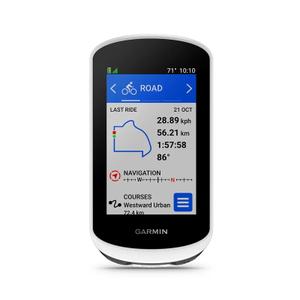
A GPS bike computer records your rides, guides you along a route and displays data from your sensors; a simpler wireless bike computer shows speed, distance and ride time. This page also brings together replacement e-bike displays, GPS trackers and handlebar mounts. Choose according to how you ride, then check the mounting and compatibility with your bike.
Simple computer, GPS computer or display: which do you need?
Three families of devices share the handlebar. A simple bike computer measures speed using a sensor on the fork and calculates distance, average speed and ride time: enough to keep track of your riding without worrying about charging. A GPS bike computer adds satellite positioning: it records your track, guides you along a route and connects to cadence, heart rate or power sensors. Finally, an e-bike display controls the assistance, shows the battery level and replaces the original screen if it breaks. Mounts, adapters and anti-theft GPS trackers complete the page.
What a GPS bike computer brings
- Navigation: load a route from an app and follow it on the map, with turn prompts at junctions and, on models that offer it, rerouting if you stray from the planned route.
- Recording: each ride is synced with your training app so you can follow distance, elevation gain and progress.
- Sensors: over ANT+ or Bluetooth, the computer displays cadence, heart rate and power on data pages you set up yourself.
- The screen: colour or monochrome, touchscreen or buttons. Buttons remain easier to use with gloves and in the rain; a touchscreen is more pleasant for moving around a map.
Also look at the stated battery life, which varies greatly depending on how much you use navigation and the backlight, and at the screen size: a compact model is enough on the road, while a large screen makes the map easier to read on long rides and bikepacking trips.
Wired or wireless: choosing a simple bike computer
On a wired bike computer, a cable links the fork sensor to the head unit: it is the most frugal option on batteries, but the wire has to be routed along the brake outer. A wireless bike computer sends speed by radio and is fitted in a few minutes. In both cases, a magnet fixed to a spoke passes the sensor with every turn of the wheel: set the wheel circumference carefully in the computer, as it determines the accuracy of speed and distance. Some computers store two circumferences so you can switch from one bike to another, and extra mounting kits let you equip a second bike.
E-bike displays and GPS trackers
An e-bike display is not universal: it must match the motor and the communication protocol of your system, and its connector, often described by its number of pins, must be identical to the original. Note the reference printed on the back of the screen or in the bike's documentation before you order. E-bike batteries call for the same care when choosing. GPS trackers, for their part, are hidden inside the bike, often near the motor, and alert your phone to any unauthorised movement: a useful addition to your lock for a valuable bike.
Bike computer mounts and adapters
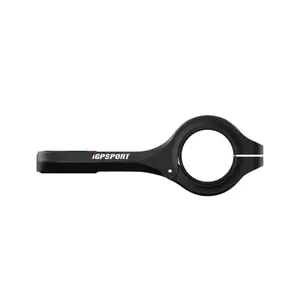
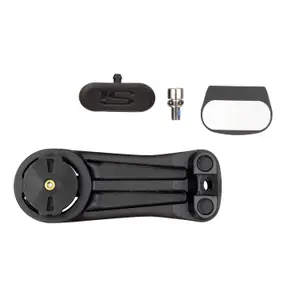
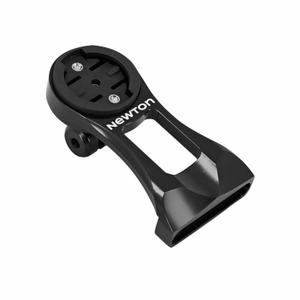
The original mount attaches to the stem or handlebar with bands. An out-front mount places the computer ahead of the handlebar, in your line of sight, and frees up space for your hands; some models take a light or a camera underneath. Check your handlebar diameter and the computer's mounting type, specific to each brand, or choose an adapter. Integrated handlebars and stems often require a dedicated mount. To use your phone as a GPS, suitable mounts are in smartphones and accessories, and to be seen, bike lights complete your kit.
Which bike computer brands to choose?
Leader Fox, a Czech maker of bikes and e-bikes, offers the displays from its Bafang-powered models, such as the DS102 or the Acron DPC241, to be chosen according to your bike's connector.
Kellys, a Slovak bike brand, offers simple bike computers such as the Reflex, Duel and Contest, as well as kits to equip a second bike.
Mahle supplies the Pulsar One, the wireless display for its X20 and X35 assistance systems: connected over ANT+, it sets the assistance level and controls the lights with three buttons. Its mounts are sold separately.
CicloSport, a German brand, offers simple bike computers such as the CM 2.1, CM 4.09 and CM 8.2, the last of these wireless and upgradeable to cadence and heart rate measurement.
Cateye, a Japanese manufacturer based in Osaka, made its name with its large-screen Padrone computers, and offers the Padrone Smart+, which uses your phone's GPS, as well as the Velo Wireless.
Wahoo offers the Elemnt Bolt V3 GPS bike computer, compact and button-operated, and the Elemnt Roam V3, with a larger colour touchscreen for navigation, along with their out-front mounts.
Bike computers and GPS on sale
End-of-line computers, mounts and electronic accessories are in our clearance electronics, and the latest models listed are in new arrivals. A GPS bike computer is a popular gift for the festive season; Black Friday and the seasonal sales are also good times to buy one.
Frequently asked questions
Which GPS bike computer is best for a beginner?
A compact, button-operated model that records your rides and follows a simple route is enough in most cases. Detailed maps, a large screen and many data pages are mainly of interest to riders heading off on long tours or training with a power meter.
Bike computer or phone: can you use your smartphone instead?
Yes, with a handlebar mount and an app. However, a phone uses more battery, its screen is harder to read in bright sunlight and it suffers more from falls and rain than a dedicated bike computer.
How do you set the wheel circumference on a bike computer?
The most reliable way is to measure it: mark the tyre on the ground, roll the bike forward one wheel turn in a straight line, then measure the distance covered in millimetres. Otherwise, use the manufacturer's chart based on the size printed on the tyre sidewall.
Does a GPS bike computer work without a phone?
Yes, it picks up the satellite signal itself and records your ride. The phone is mainly used to transfer routes, sync data and, depending on the model, display notifications.
Is an e-bike display universal?
No. Each display is designed for a specific assistance system and a given connector. If in doubt, compare the reference of your original screen and the motor brand before you choose.